Bridging Design Education with Industrial Realities
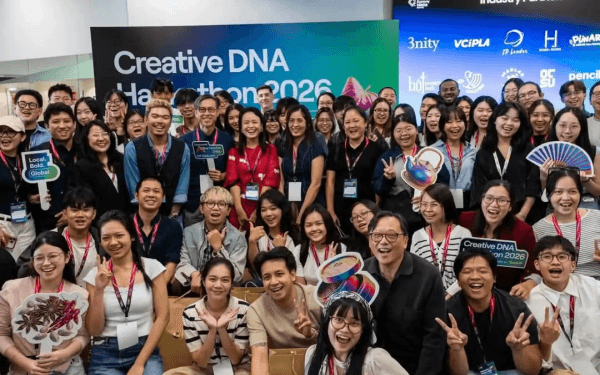
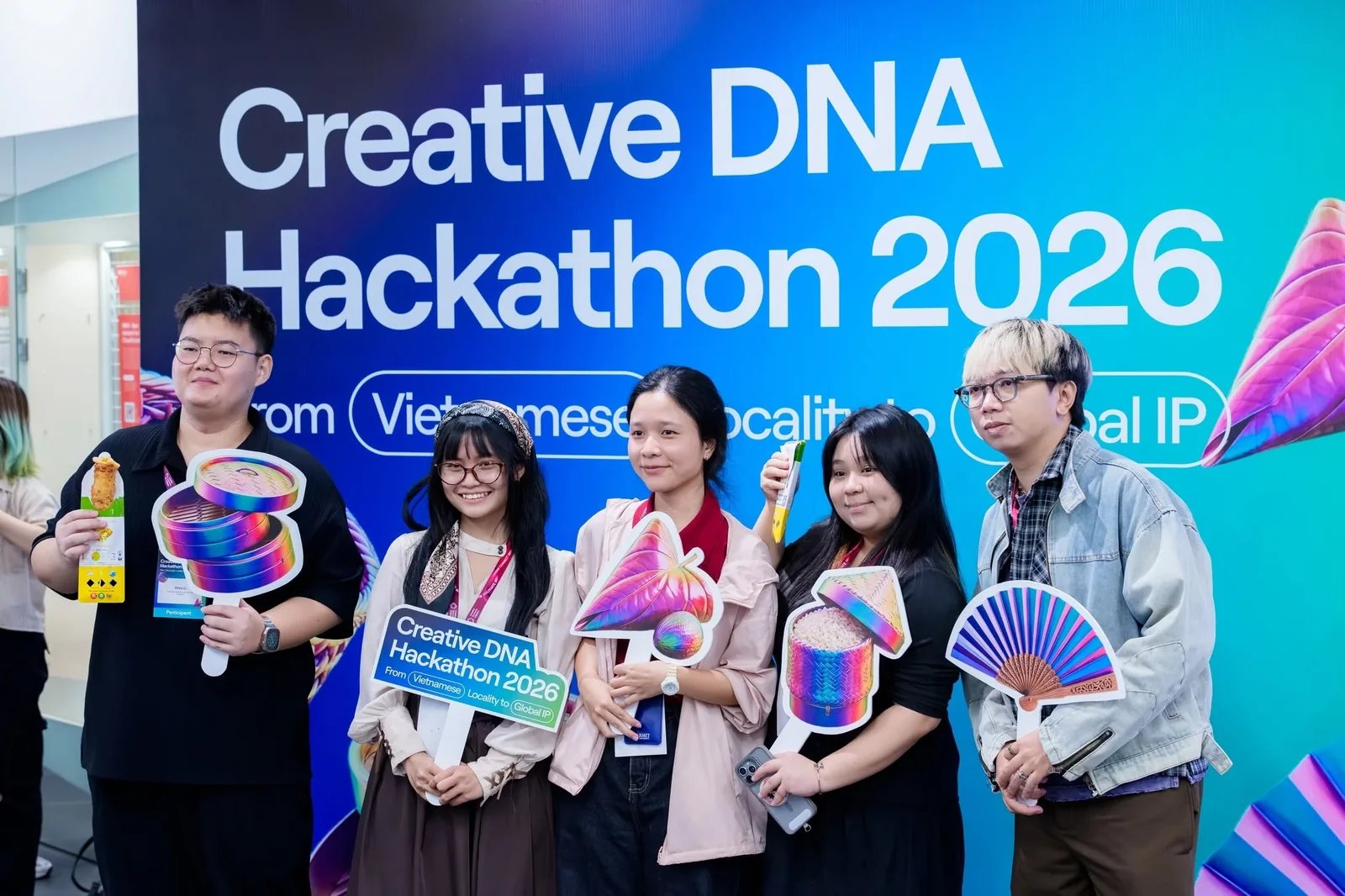
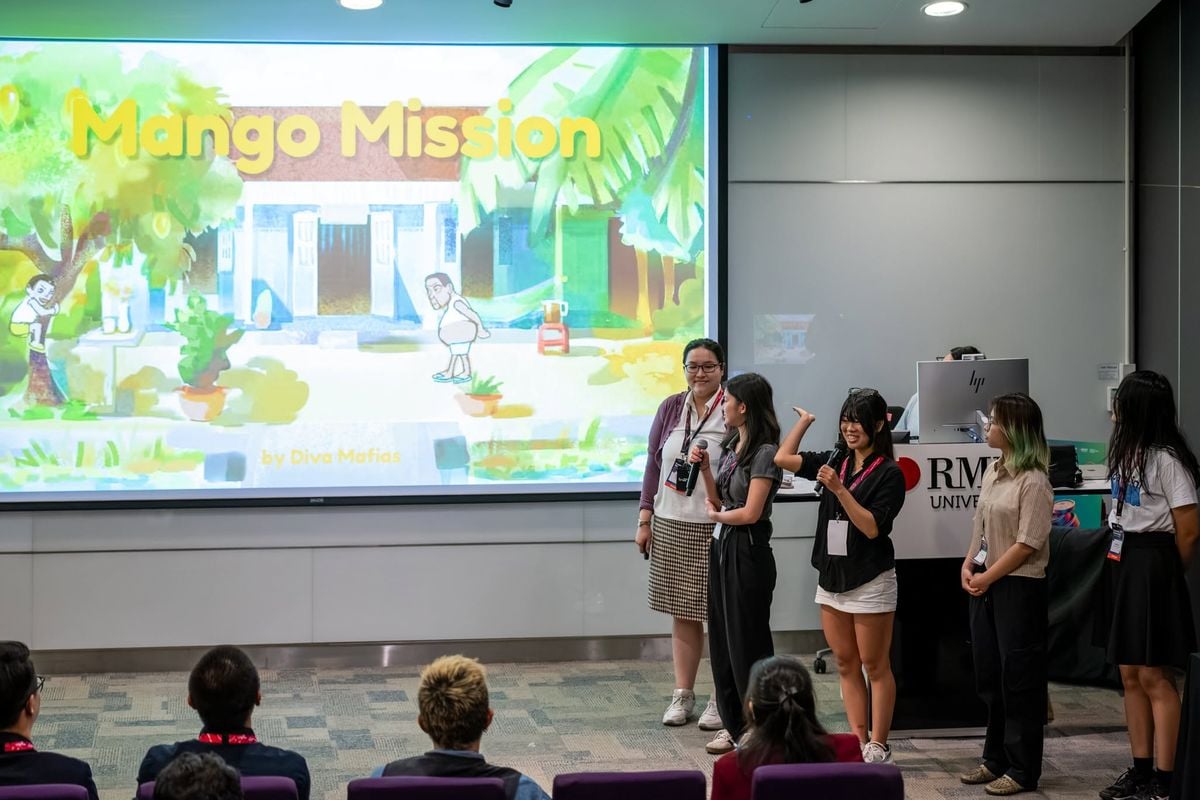
At RMIT University Vietnam’s Saigon South campus , the Creative DNA Hackathon 2026 concluded an intensive multi-day program bringing together 40 emerging student creators from six leading art and design institutions across Vietnam, Malaysia, and Singapore: DASEIN Academy of Art (Malaysia), Nanyang Academy of Fine Arts (Singapore), RMIT University Vietnam, Design Anthropology School, HUTECH University, and Ho Chi Minh University of Fine Arts.
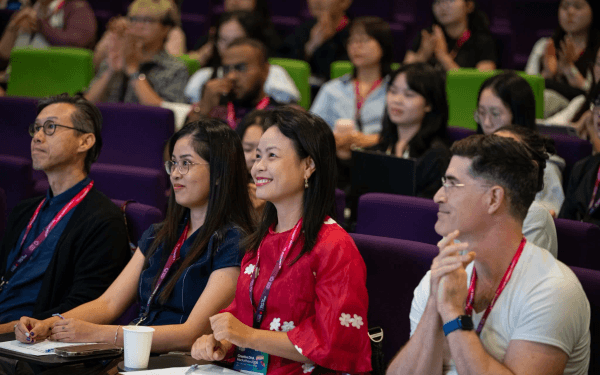
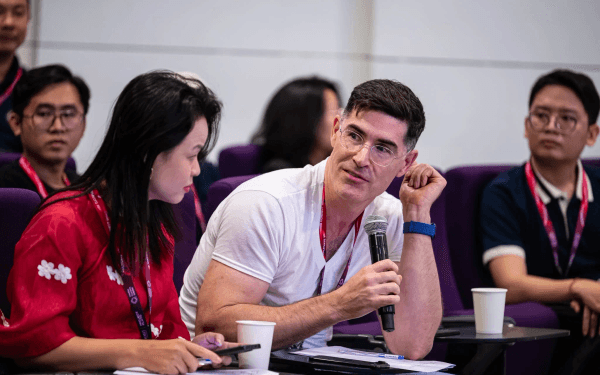
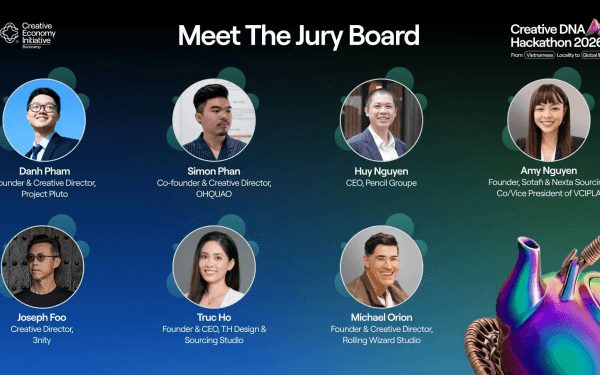
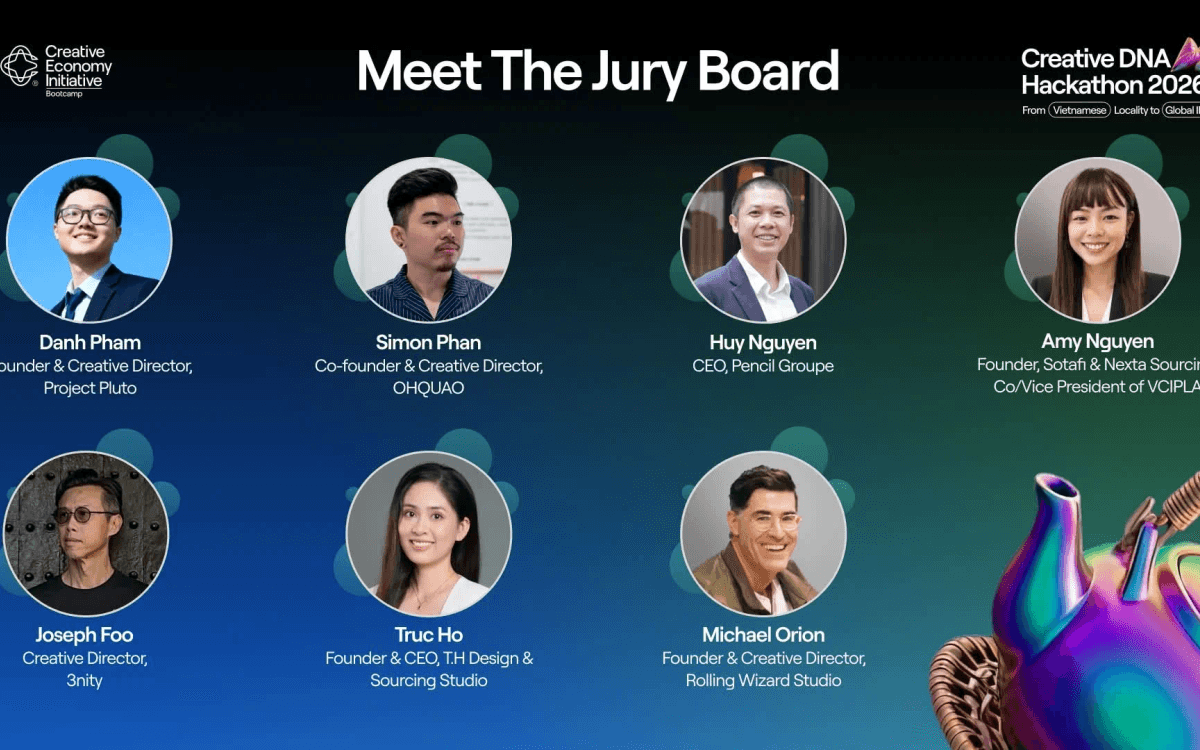
Representing VCIPLA (Vietnam Creative Intellectual Property & Licensing Association) alongside the Takara / Sotafi manufacturing ecosystem, Founder Ms. Amy Nguyen actively mentored cohort teams and served on the official 7-member industry jury board.
Read RMIT’s official event feature:"Creative hackathon showcases new model for creative talent development"
Far beyond a standard classroom competition, the hackathon confronted a decisive commercial question: how can regional cultural narratives and authentic community lore transform into bankable, legally defensible, and factory-viable intellectual property?
Turning 2D Concept Art into Factory-Ready Specifications
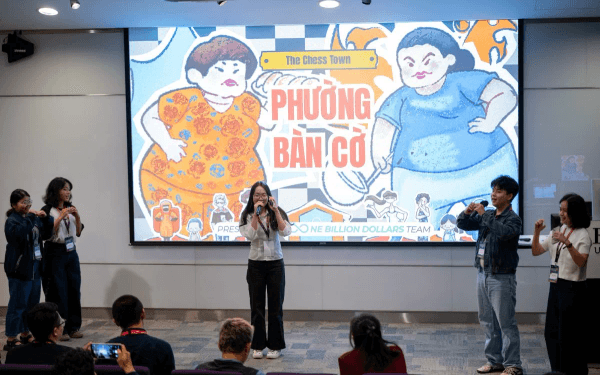
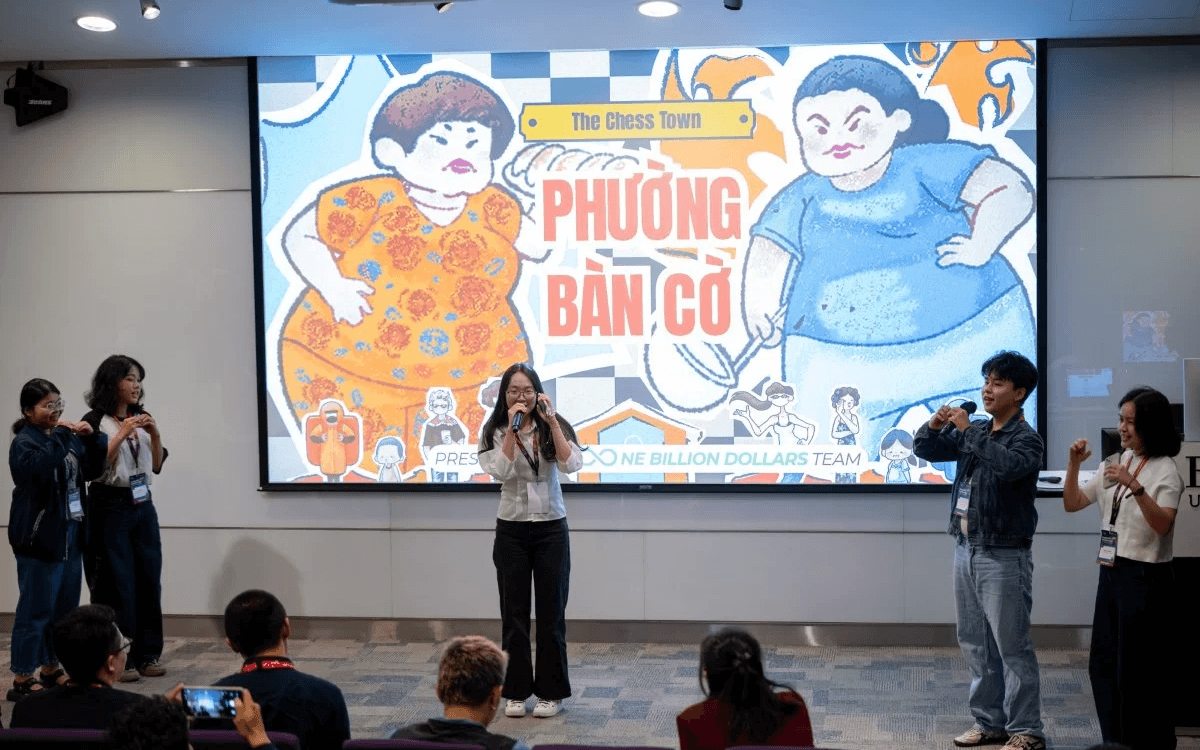
Throughout the pitch sessions — evaluating projects ranging from The Chess Town (Phường Bàn Cờ) celebrating street chess traditions in Saigon’s vibrant alleyways, to contemporary art-toy concepts marrying folk archetypes with blind-box culture — the jury offered pragmatic, market-grounded feedback on licensing pathways and physical production parameters.
“A great character illustration is only 20% of the journey. The other 80% is tooling feasibility, safety compliance, and protected IP before hitting retail shelves.”

From Workshop Studios to Factory Floor Prototyping
The hackathon forms an integral cornerstone of the Creative Economy Initiative (CEI), co-hosted by RMIT’s School of Communication & Design and creative agency Project Pluto, with foundational regional support from the SEA Neighbour Network.
A signature differentiator of the Creative DNA Hackathon was its practical exposure: participants were not confined to lecture halls. Instead, they embarked on an industry field trip to creative enterprises, production houses, and retail hubs across Ho Chi Minh City. Students observed firsthand how 2D concept art translates into mold tooling, precision embroidery, eco-friendly textile treatments, and branded retail packaging.
“The next era of creative education should not be defined by individual institutional success alone. It should be defined by regional collaboration, shared learning, and collective impact.”
Takara & VCIPLA's Commitment to Emerging Creative Talent
As an established manufacturing partner trusted by Tier-1 global clients (ThreeSixty Group, Rohto, Galaxy Cinema, WTC...), Takara defines corporate social responsibility (CSR) as opening factory gates to the next generation of creators.
Through our ongoing collaboration with VCIPLA and regional design schools, Takara provides complimentary production engineering reviews for standout graduation projects, assists emerging creators in developing production-ready tech-packs, helps verify international safety benchmarks (ASTM F963, EN71, Disney FAMA), and connects them with reputable distribution networks across the Asia-Pacific region.
Key Moments from Creative DNA Hackathon 2026