








A percentage of net sales
Net sales = wholesale invoice price minus returns and discounts (deductions usually capped near 10%). Character merchandise most often sits at 10–12%; top properties ask more, and FOB-based royalties run higher.
Takara uses cookies to measure and improve the site. Cookie Policy
Takara is a creative-manufacturing partner for licensed merchandise. We turn your style guide into approved samples, compliant production and retail-ready deliveries, through vetted partner factories across Vietnam and China.

Royalty, minimum guarantee and upfront payment: the three numbers you negotiate with a licensor, plus a free calculator to estimate your own deal. Terms vary by licensor, property, product category and market.
Net sales = wholesale invoice price minus returns and discounts (deductions usually capped near 10%). Character merchandise most often sits at 10–12%; top properties ask more, and FOB-based royalties run higher.
The minimum royalty you owe for the term: you pay earned royalties or the MG, whichever is higher. Its size depends on the property, category and country. Internationally it is often about half of projected royalties, split into yearly minimums.
Royalties from your sales are offset against it; any unused balance is not refunded. Internationally: a 25–50% advance on signing (non-refundable, credited against royalties), the rest in instalments. Terms usually run 2–3 years, with quarterly royalty reports.
Move the sliders to see what a license would cost you, year by year.
| Year | Royalty earned | You pay |
|---|
Illustration only: real deals add marketing funds, minimum order rules and other terms.
New to licensing?Read the licensing handbookVietnam payment practice and MG levels: Takara’s market experience.
International practice (royalty base and rates, MG sizing, advance 25–50%, yearly minimums, quarterly reporting):
For guidance only. Figures and structures differ between licensors and markets. Takara can advise and prepare your product plan, but exact terms come only from the licensor: work with the licensor or its agent directly for a binding answer.
A licensed product has more than one approver. We work with each side of the agreement and keep every approval in one trail.
You own the character and the brand book. We make sure every product that carries it looks on-model, passes your approval stages and reaches the shelf on the launch date you planned.
You hold the rights for a territory and answer to the licensor. We produce to the approved spec, prepare the sample sets your licensor asks for and keep lead times you can commit to.
Your mascot, film character or campaign figure is your IP too. We build it into plush, blind boxes, figures and gift sets held to the same character-design compliance.
A generic factory optimizes for its own catalog. A licensed program needs a partner who treats your style guide as the spec, not a suggestion.
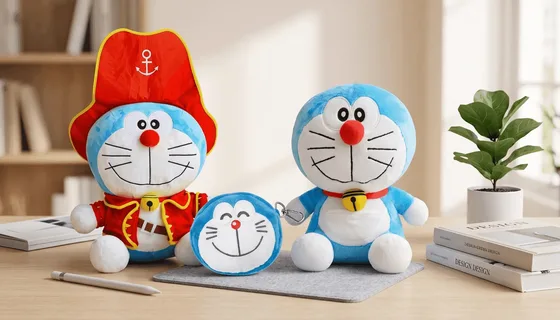
Takara has run this discipline on its Doraemon, Shin-chan and One Piece OEM program for Tagger, the master licensee of those characters in Vietnam, since 2018.
Takara manages the upstream so you can focus on the story your IP is telling.
Soft goods, hard goods and packaging for the same character, briefed from one style guide, so the plush, the figure and the keychain all look like the same IP.
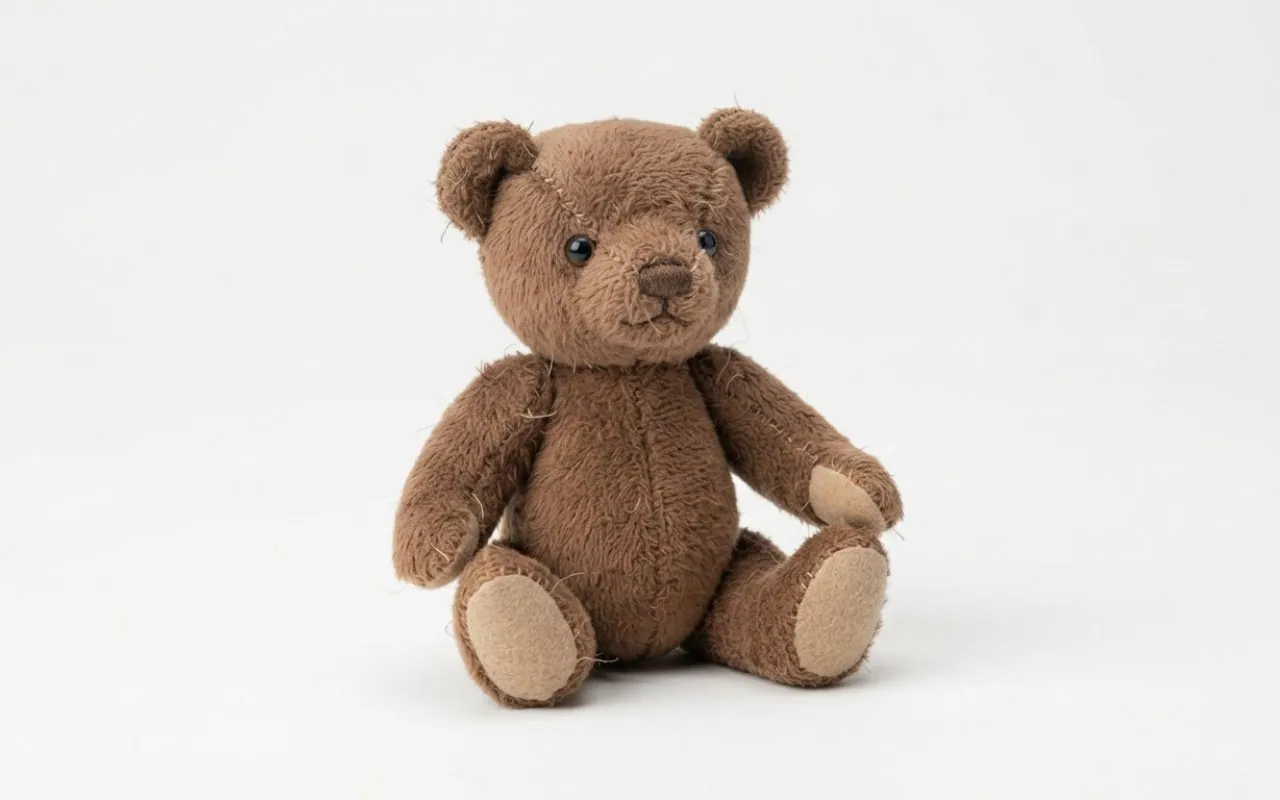
Embroidered faces, custom fabrics, sizes from keychain to jumbo.
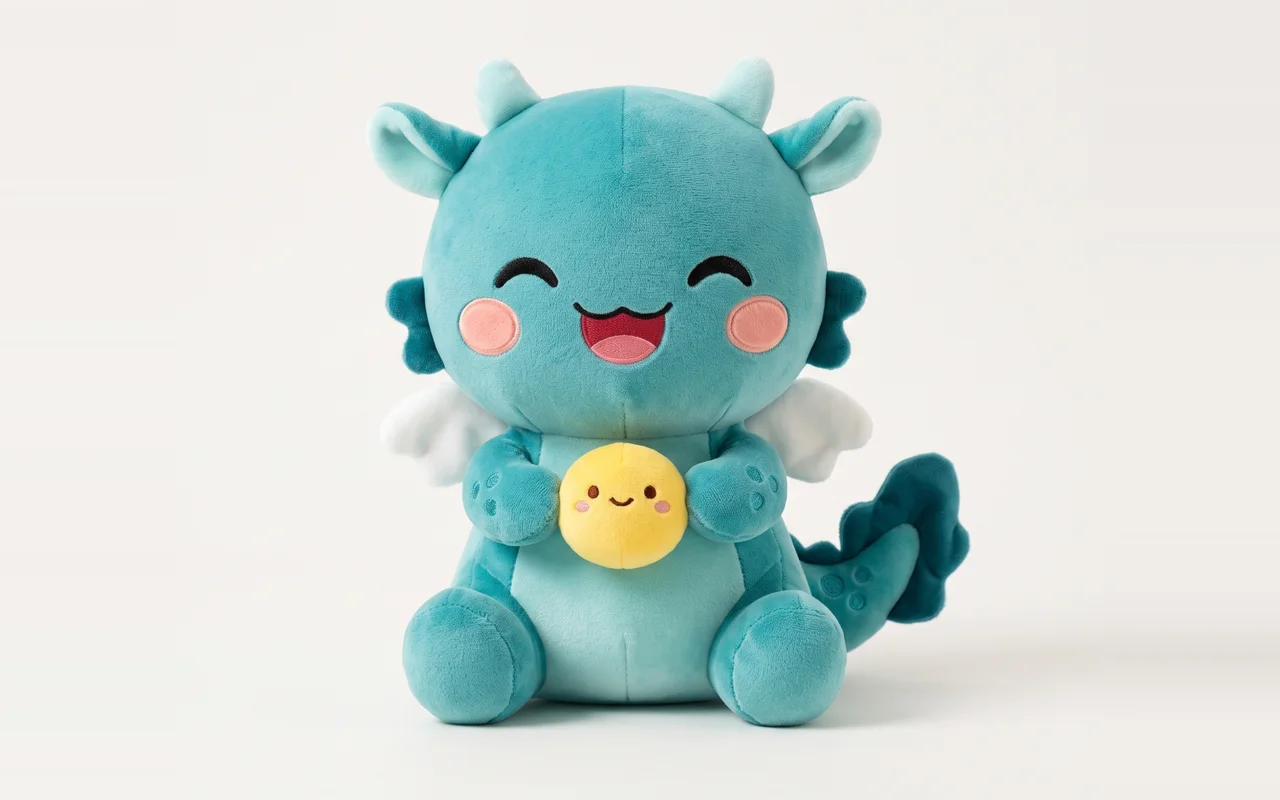
Series with multiple designs, packed for random assortment.
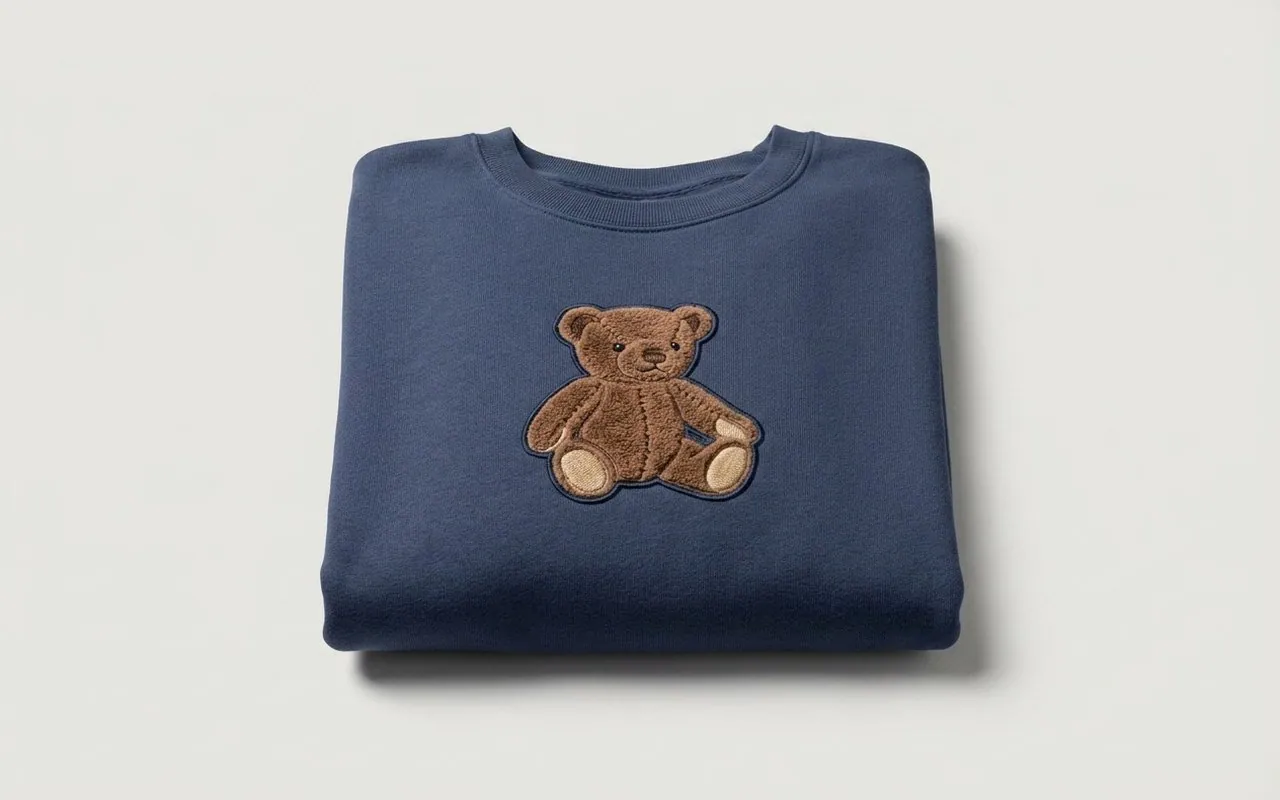
T-shirts, hoodies and accessories printed or embroidered on-model.
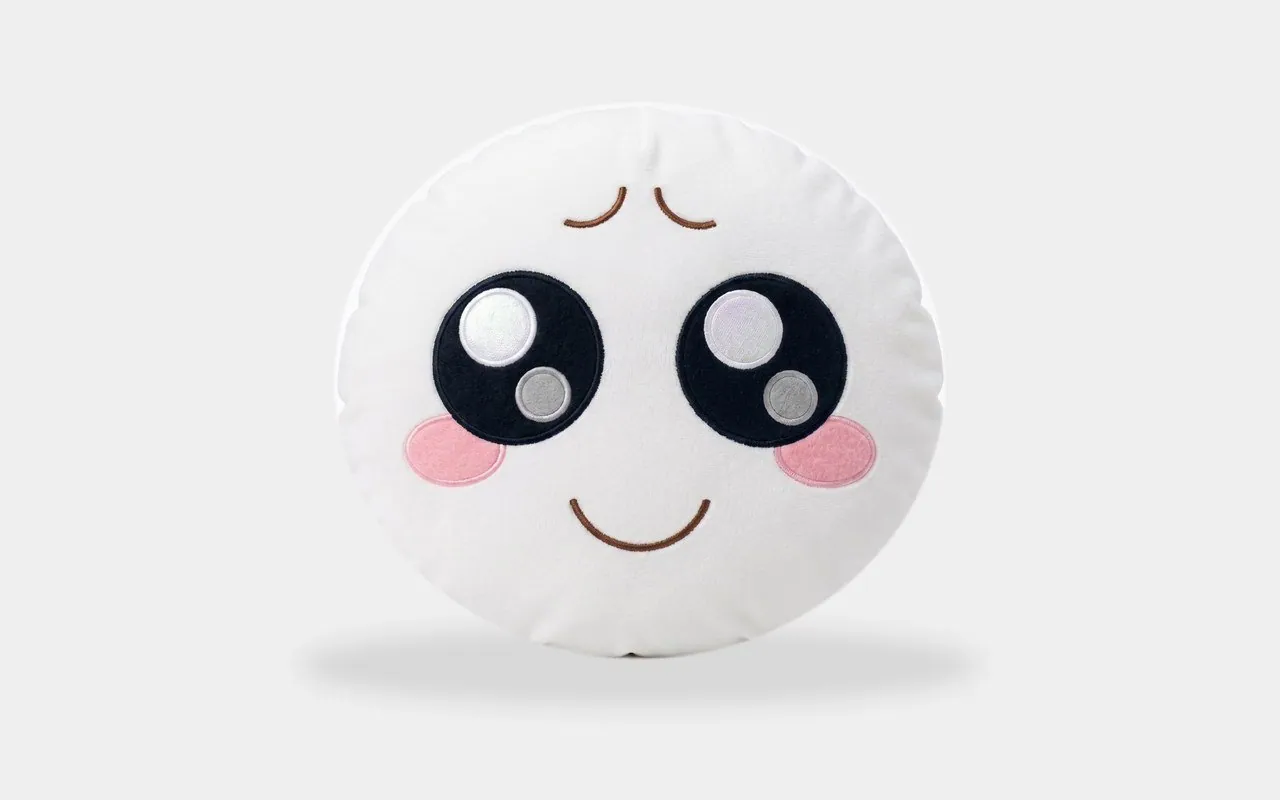
Die-cut face and body pillows in soft fabrics.
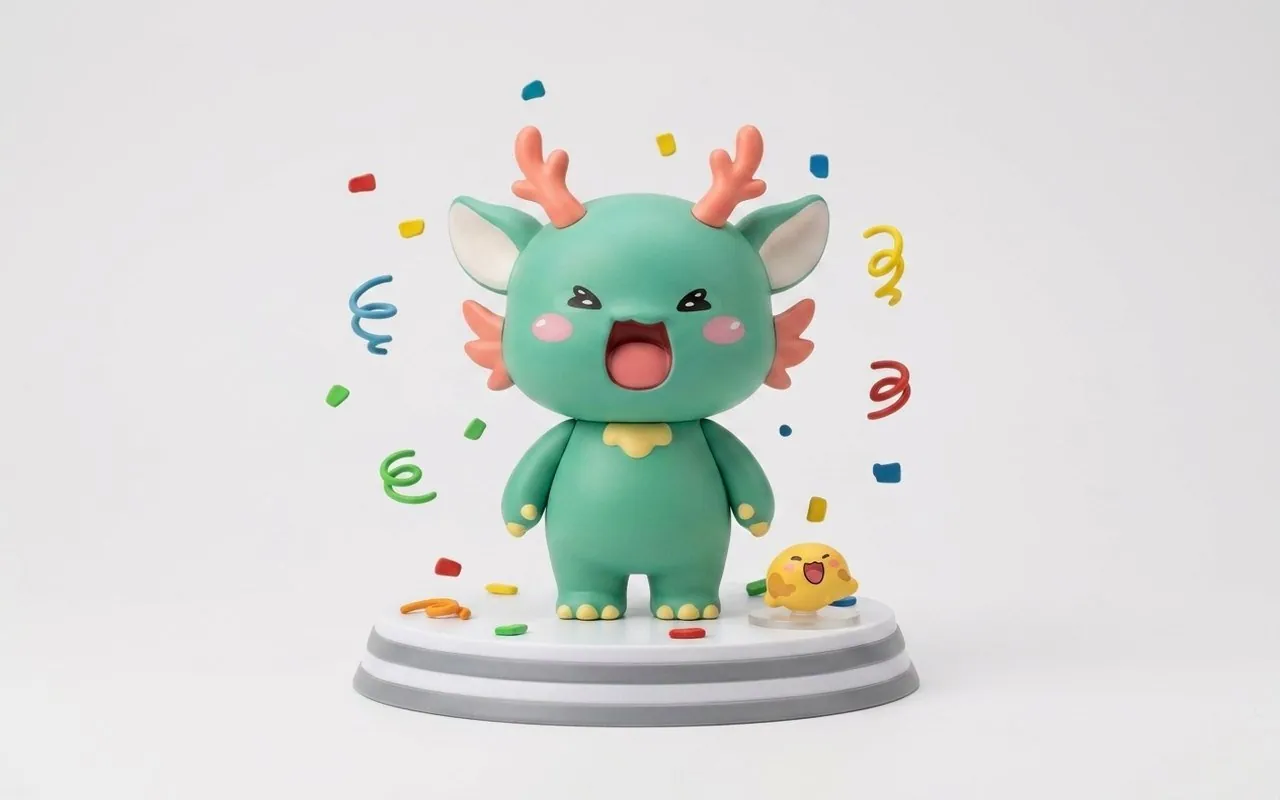
Molded vinyl or PVC figures for collectible series.
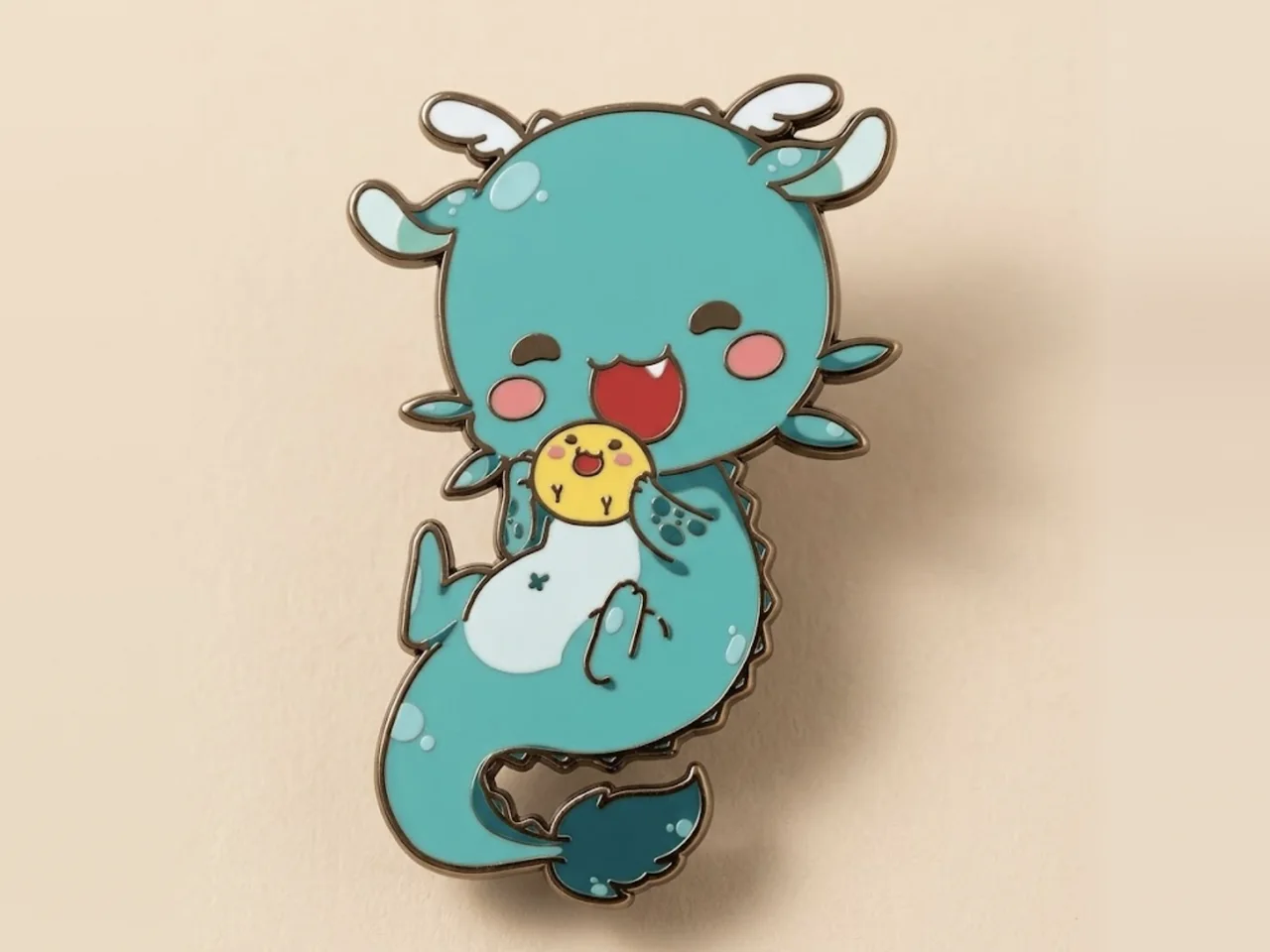
Hard and soft enamel, acrylic and PVC for small accessories.
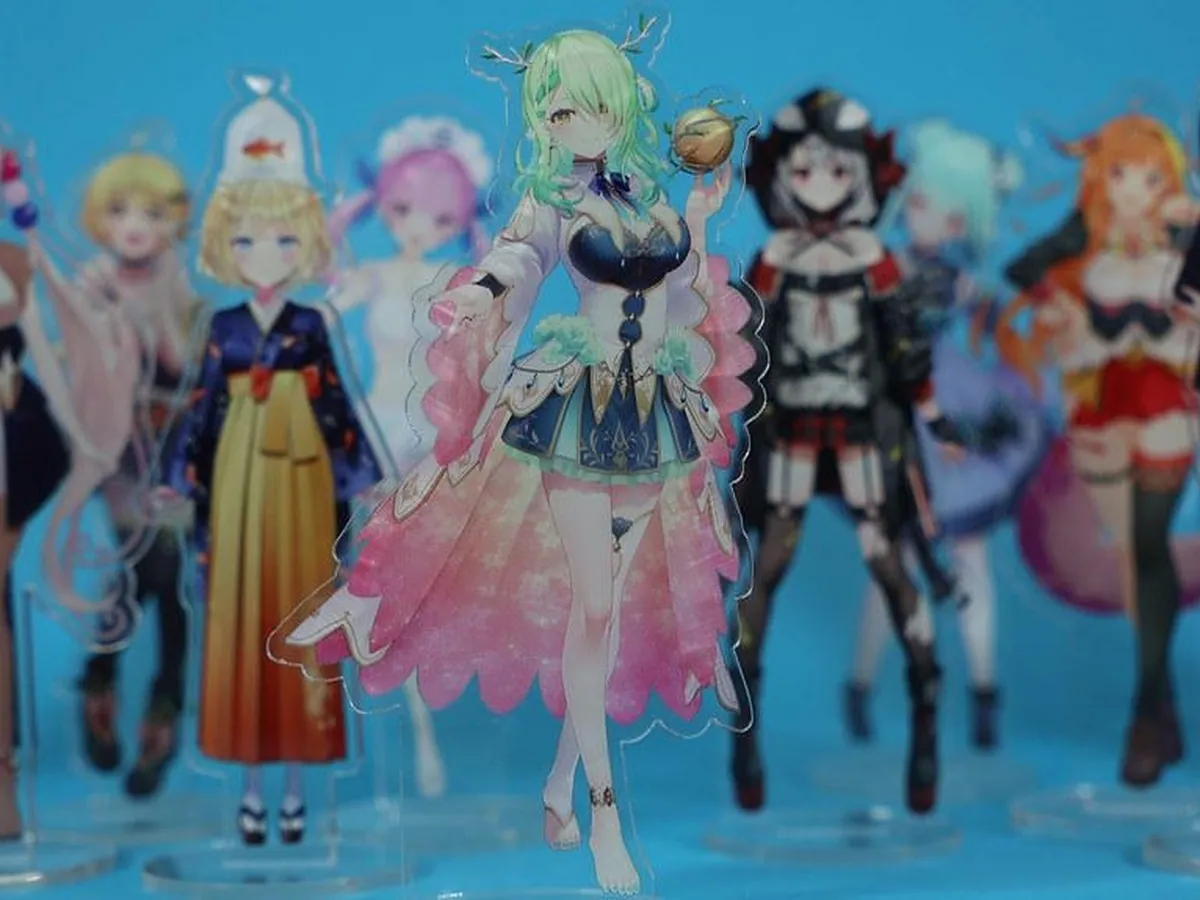
Printed acrylic pieces for fan merch and event activations.
MOQ per design: plush and soft goods 500 units for Vietnam and 1,000 for export; 3,000 units for blind boxes or any molded item, because a mold has to be built first.See the full product catalogue

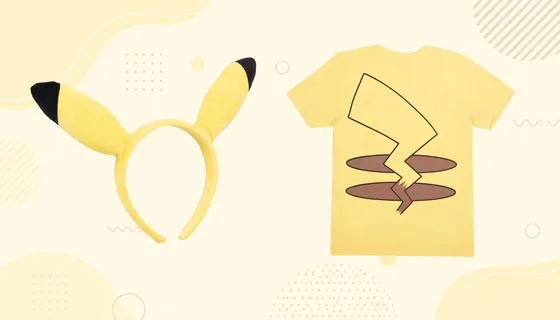
Takara has held a Pokémon license since 2016 and became an official licensee in 2018, so we know licensed approvals from the licensee’s side, not only the factory’s.
Pokémon apparel and plush under Takara’s own Mirako brand, sold through 230+ retail doors in Vietnam
Read the Pokémon case studyEvery figure below is from a delivered program. The full story is in each case study.
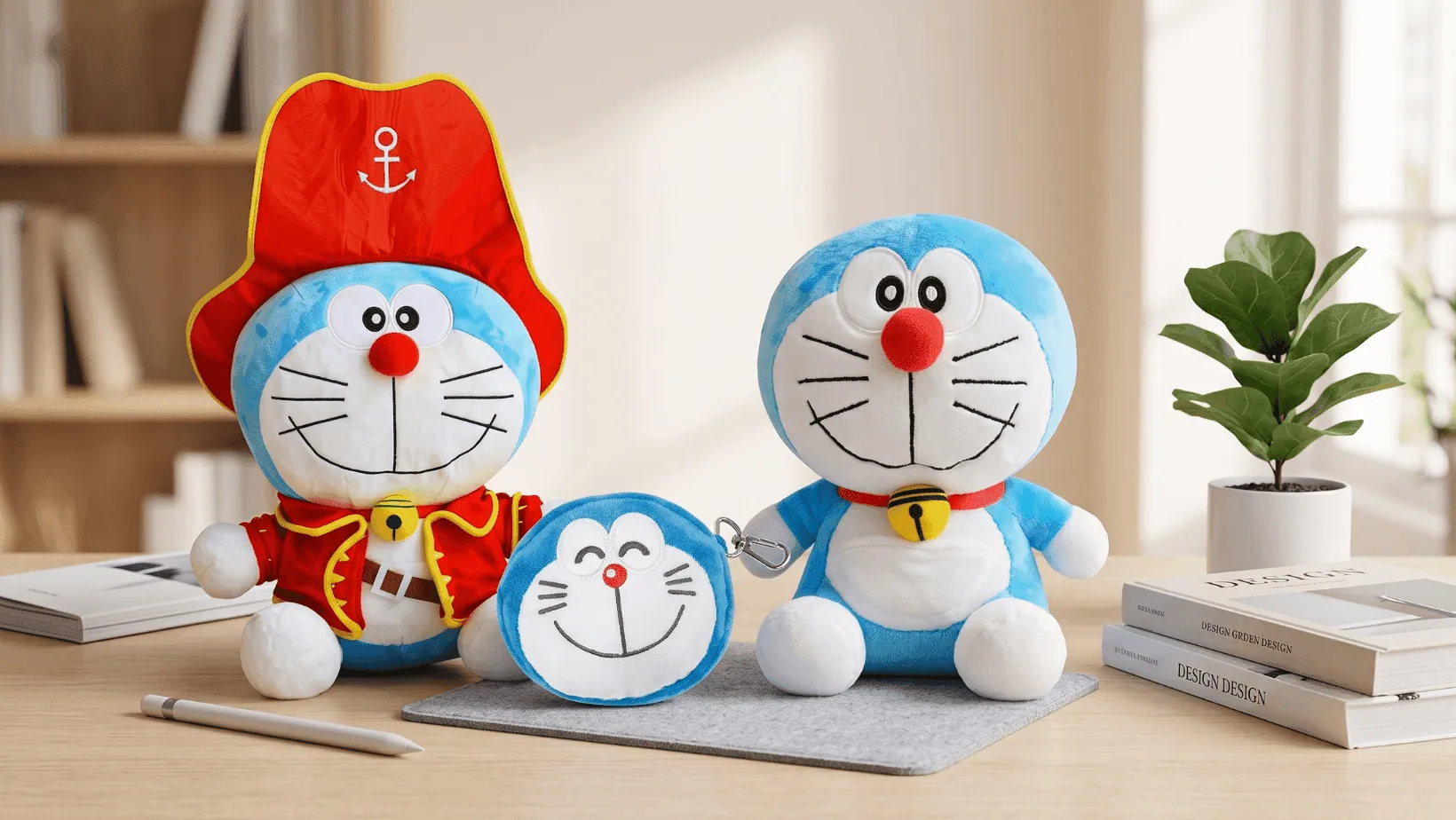 Doraemon, Shin-chan & One Piece: OEM manufacturer for Tagger, the master licensee in Vietnam, since 2018. 26 SKUs to Japanese licensing QC.Read the case study
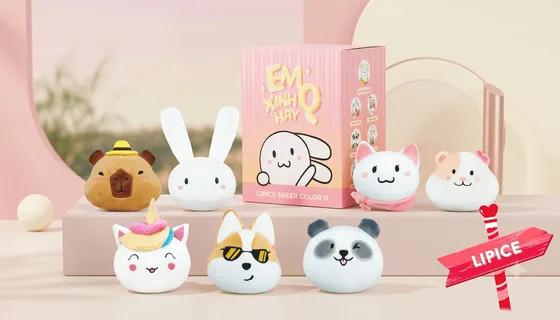
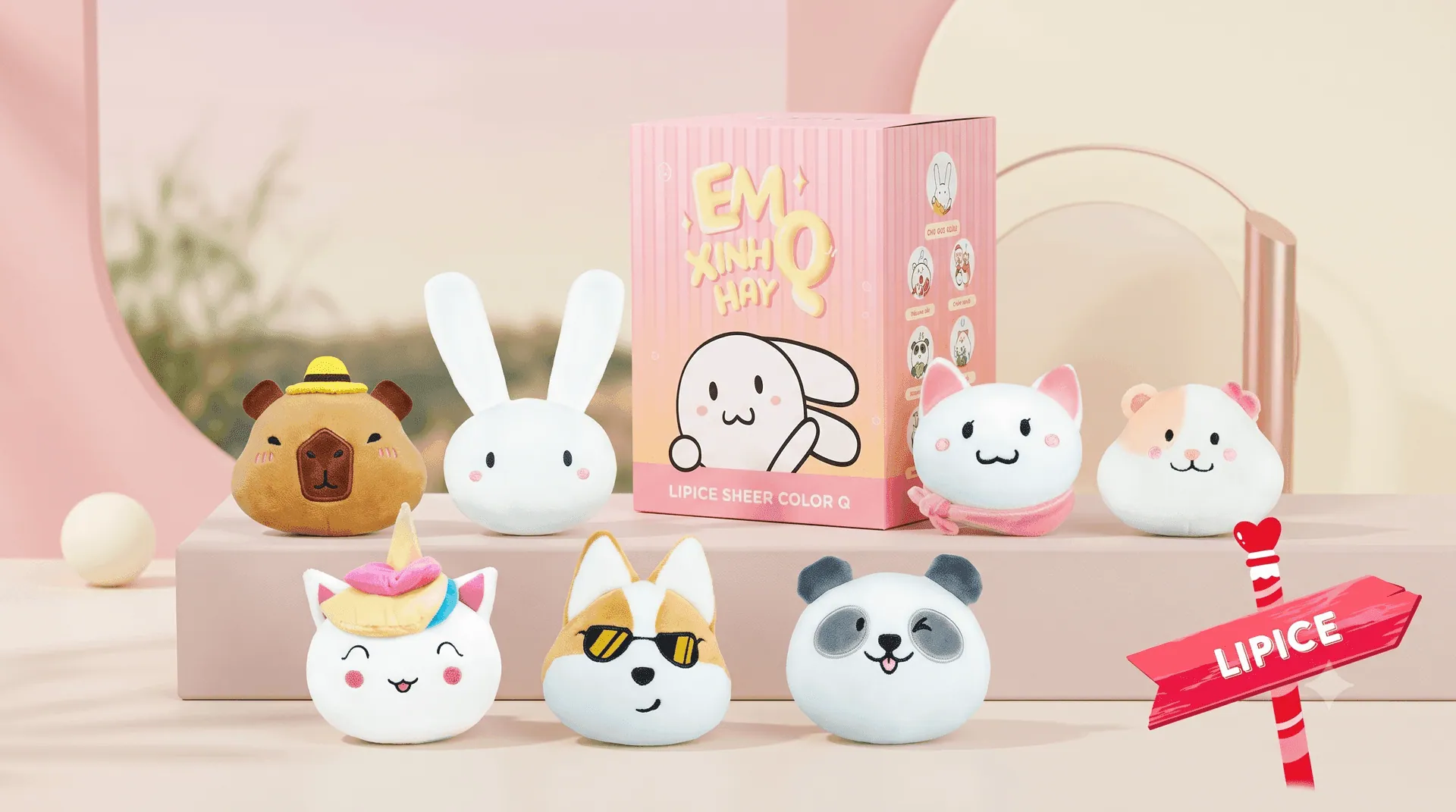 Rohto "Thỏ 7 Màu" blind box: 7 designs, first R1 samples in 7 days, 23,400 plush delivered 25 days ahead of contract.Read the case study
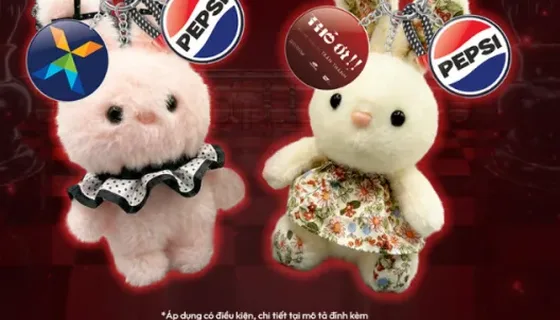
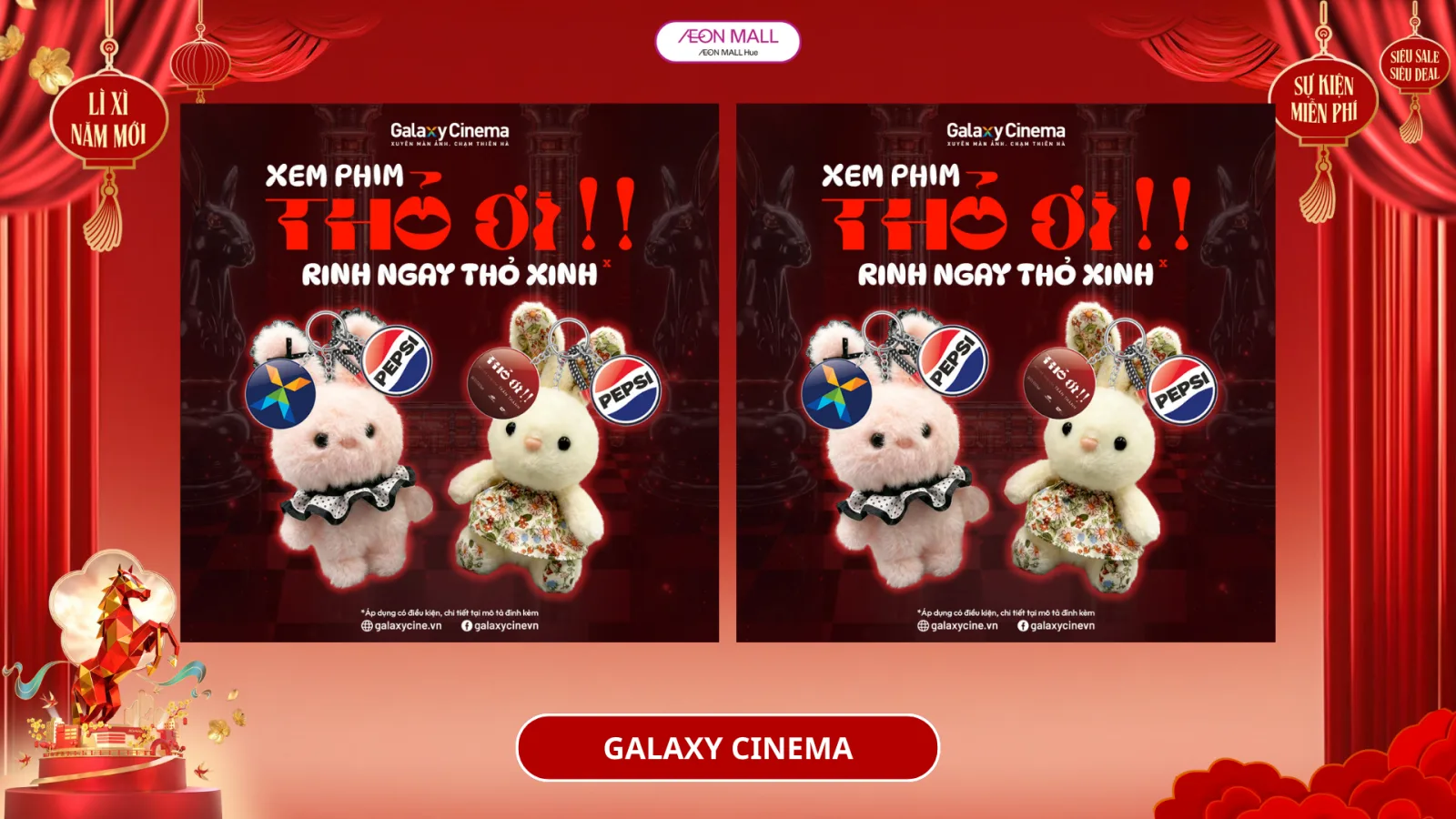 Galaxy Cinema "Thỏ Ơi": 5 SKUs, 3,500 units in 21 days, timed to the film’s launch under strict character-design compliance.Read the case study
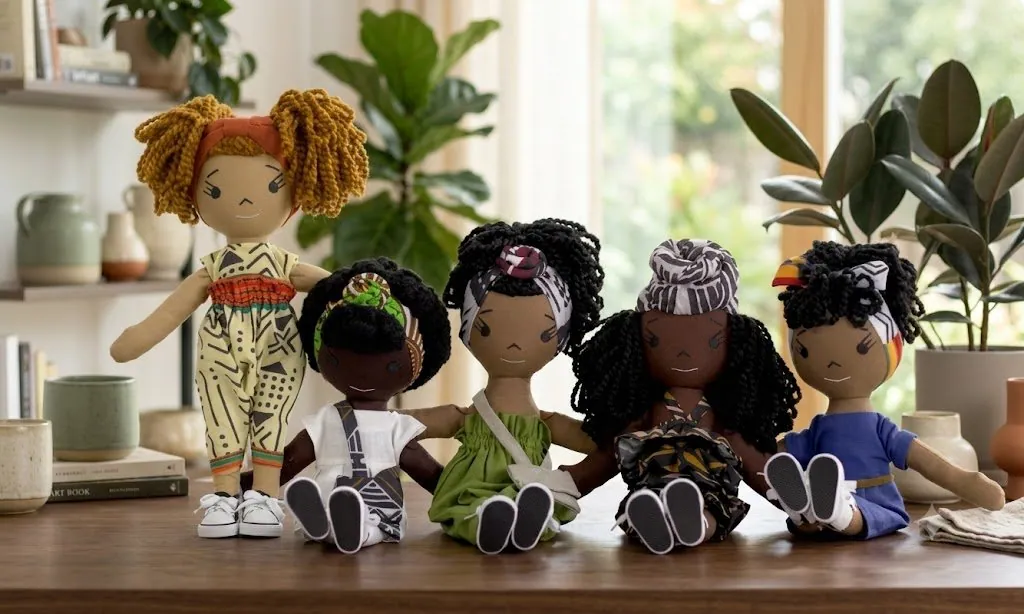 ThreeSixty Group: authorized Vietnam sourcing agency, 85 SKUs across eight categories for Walmart, Target and other US retailers.Read the case study
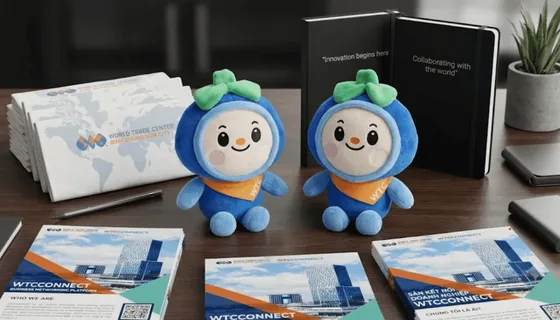
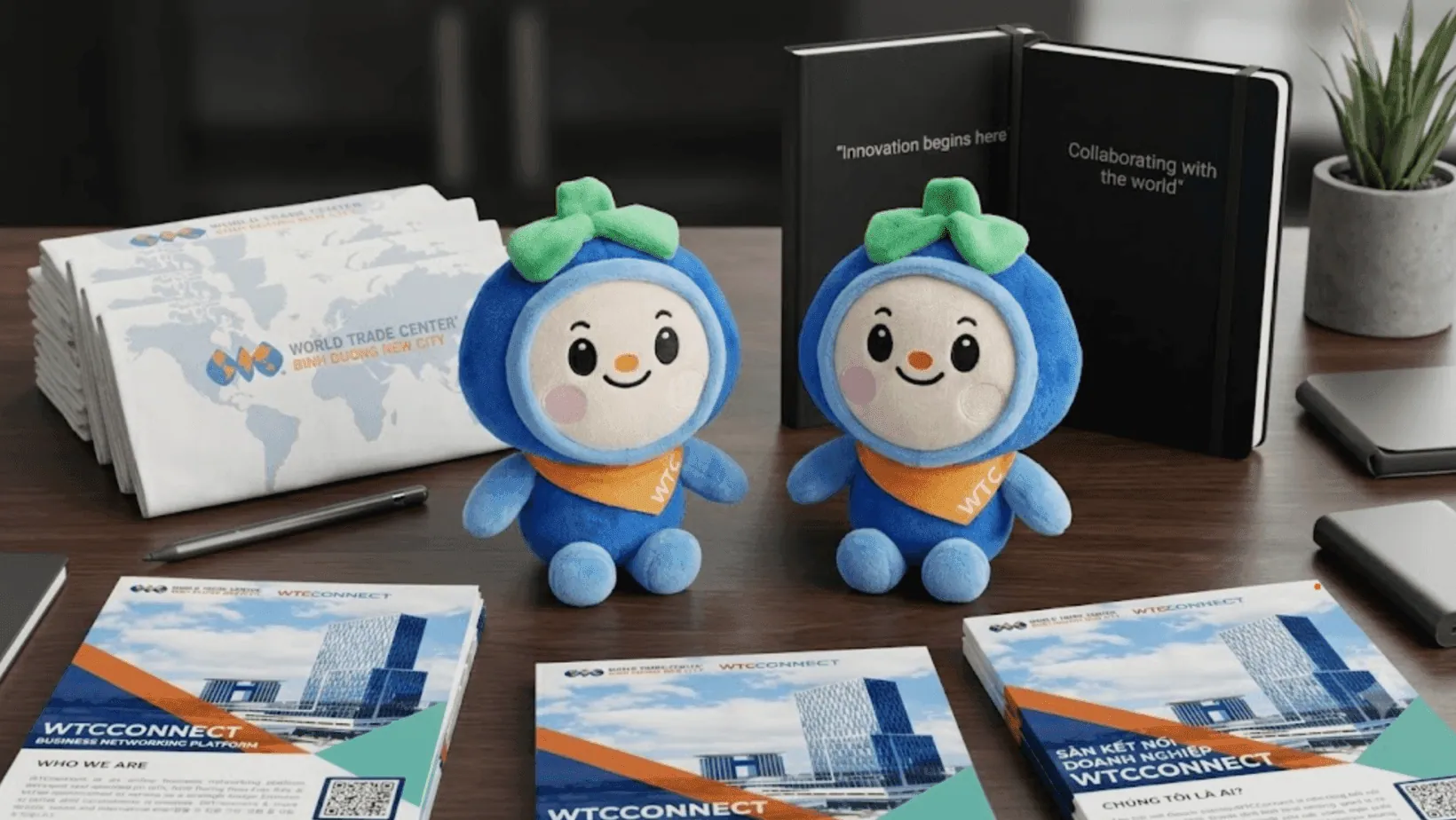 BIDU mascot for World Trade Center: sketch to finished costume in 14 days, 5 size variants, strict brand-image compliance.Read the case study
Few manufacturing partners have sat on every side of a licensing deal. It is why our samples arrive ready for your approval stage, not for our convenience.
Licensed Pokémon apparel and plush under Takara’s own Mirako brand, official licensee from 2018, distributed through Ministop, Aeon Mall, Kim Đồng and Phương Nam Books.
Doraemon, Shin-chan and One Piece merchandise for the master licensee, where Japanese licensors check color to an exact ratio before anything ships.
Won a competitive bid in Shanghai to become the group’s Vietnam sourcing partner, delivering to Walmart, Target and other major US retailers.
Founding member of VCIPLA
The Vietnam Cultural and Intellectual Property Licensing Alliance, an industry alliance for Vietnam’s creative industries.
Long-running HKTDC relationship
VIP invitee to the Asian Licensing Conference (2018) and selected supplier at Instyle Hong Kong in Vietnam.
Takara holds no certification itself. The partner factories we place licensed work with test to these standards, verified through accredited third-party labs, depending on your product and destination market.
Tell us where the product will be sold. The quote lists the exact tests your run needs, not a generic checklist. See how we vet
A clear brief gets you an accurate quote and a sample timeline in 3 business days.
Straight answers before you ask for a quote.
Every program is scheduled against your own launch date; these are past results, not a standard lead time.
Characters sell long after the film or campaign: merchandise is where an IP keeps earning.
Usually three parts: a royalty of about 8–15% of net sales (often 10–12% for character merchandise), a minimum guarantee (MG) that depends on the property, product category and country (modest in Vietnam, up to about US$1 million for major properties in markets such as the US or China), and an upfront payment. The calculator on this page estimates the royalty per unit, the units needed to earn back the MG and what you pay each year.
The least royalty you owe the licensor over the license term, even if sales fall short: you pay the higher of earned royalties or the MG. Internationally it is often set at about half of projected royalties and split into yearly minimums.
In Vietnam, licensors usually ask for 100% of the MG upfront on signing and then offset earned royalties against it; any unused balance is not refunded. Internationally, an advance of 25–50% of the MG on signing is common, with the rest paid in instalments or as year-end shortfall payments.
No. For your program, you or your licensee hold the rights and Takara manufactures to the approved style guide under that agreement. Takara has also held a license itself (Pokémon, under its Mirako brand, since 2016), so we understand the licensee side of approvals.
Yes. Our Doraemon, Shin-chan and One Piece work is for Tagger, the master licensee in Vietnam. We can take the brief from the licensee and prepare the samples your licensor needs to review.
Your Pantone references and physical color standards are the spec. Samples are color-matched to them, and bulk production only starts after you sign a physical Golden Sample, which every bulk unit is then inspected against.
Plush and soft goods: 500 units per design for Vietnam and 1,000 for export. Blind boxes and other molded items start at 3,000 units because a mold has to be built first.
The sample fee, USD 100–300 depending on the design, includes three revision rounds before bulk production. Further rounds are quoted separately.
Three stages: raw material inspection, in-line DUPRO checks during production and a final AQL 2.5 inspection before shipment, documented for every shipment.
It depends on the product and where it will be sold: for example ASTM F963 and CPSIA for the US, EN71 and REACH for the EU. The partner factories producing your order test to the standards your market requires; Takara itself holds no certification.
It depends on the product and approval rounds. On the Rohto blind-box program, R1 samples for the first 3 designs came in 7 days and 23,400 units were delivered 25 days ahead of contract.
Every program above in full, with the licensors, brands and retailers named.
View the portfolioHow we read a licensor style guide and turn it into a factory brief.
Read the guideHow partner factories are audited before any licensed order is placed.
See how we vetSend your style guide or a reference sample. We come back with a landed-cost quote and a Golden Sample timeline in 3 business days.
Mira is AI and may be wrong. Quotes come from the Takara team.