
230+ Doors, One Launch Window: The Pokémon Merchandise Rollout
Key takeaways
- In 2016, Takara acquired the Pokémon apparel and plush license and built its own Mirako brand to carry it, timed to launch the same window Pokémon Go went live worldwide.
- By 2018, Takara was an official Pokémon licensee distributing nationwide through Ministop, Aeon Mall, and e-commerce platforms.
- The rollout reached 230+ retail doors: 151 Ministop stores, 4 Aeon Mall outlets, 4 Kimdong locations, and 66 Phuong Nam Books stores, across 8 SKUs.
- E-commerce sales lifted 35% in the first three months of the rollout.
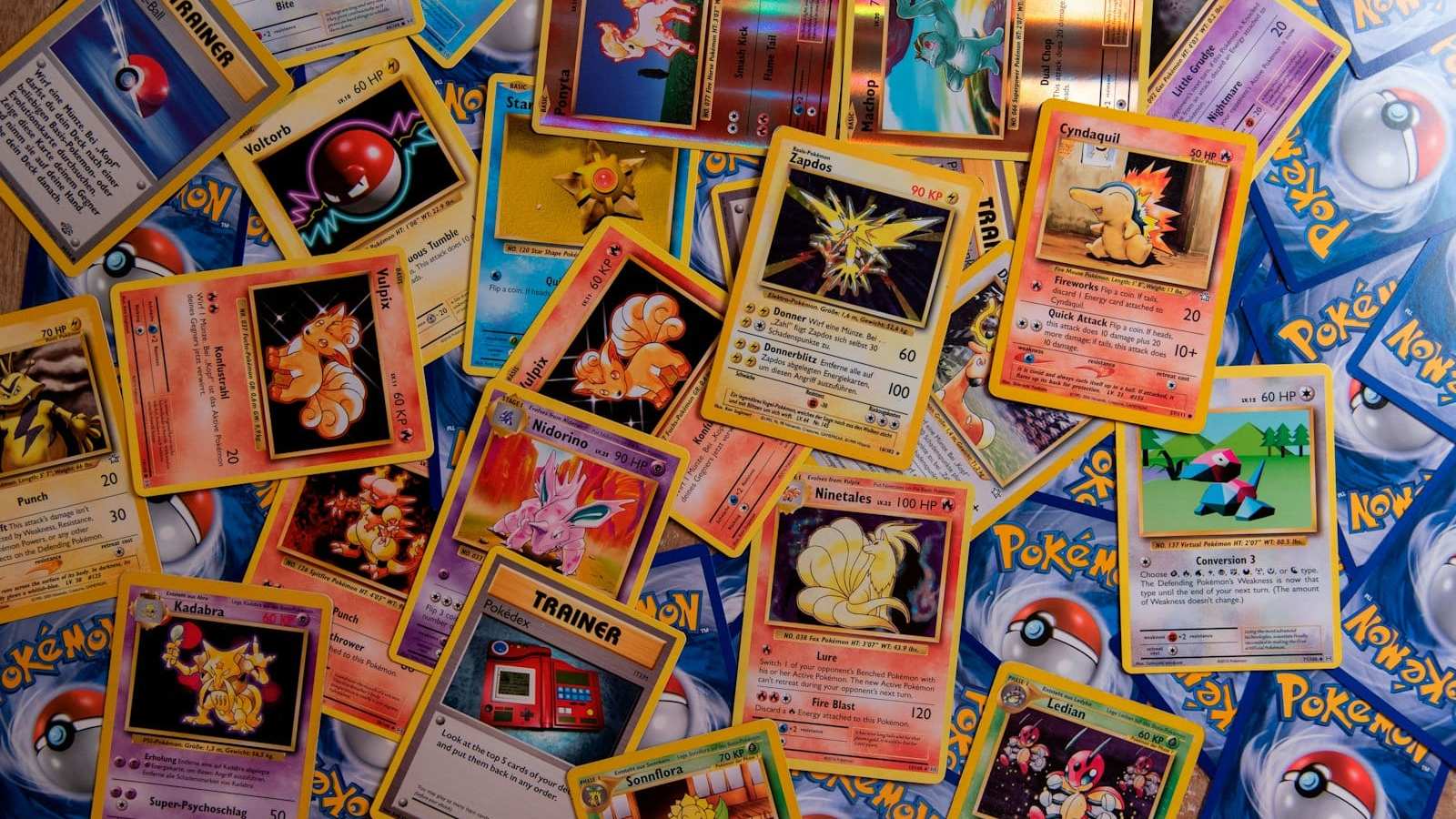
The brief: 8 SKUs, 230+ doors, and a launch window timed to the same week Pokémon Go went live worldwide. That's what Takara took on in 2016, acquiring the Pokémon apparel and plush license and building the Mirako brand to carry it into stores nationwide.
The brief.
In 2016, Takara acquired the Pokémon apparel and plush license and built its own brand, Mirako, to carry it to market. The timing wasn't incidental: the license launched the same window Pokémon Go went live worldwide, a moment the brand would not get twice. By 2018, that early bet had become an official Pokémon licensee agreement, with Takara distributing nationwide through Ministop, Aeon Mall, and e-commerce platforms.
A launch window that doesn't repeat.
A licensed launch built around a cultural moment gets one shot at its timing. Pokémon Go's global rollout was the moment the brand would be at its most visible in years, and a retail launch that missed that window by even a few weeks would be launching into a quieter market. The brief meant one thing: being on shelf, nationwide, before the wave passed.
Close enough: "Launch sometime this quarter."
The standard: "Be on shelf the same week Pokémon Go goes live, nationwide, or the moment is gone."
Meeting a retail calendar like that meant compressing design approval, production, and distribution into a single coordinated push, not a sequence of separate handoffs.
How Takara built the retail footprint.
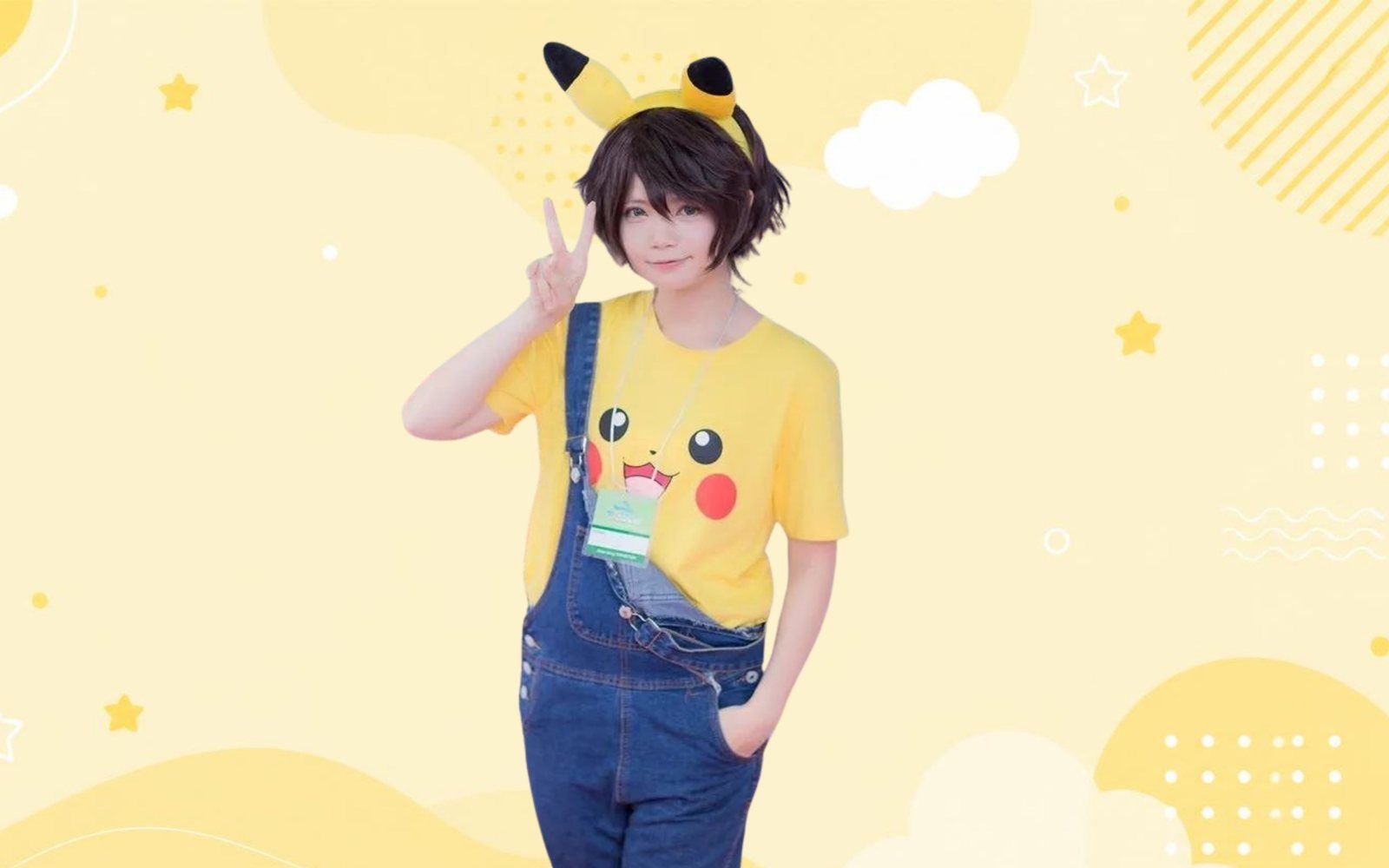
By 2018, Takara was an official Pokémon licensee, distributing nationwide through Ministop, Aeon Mall, and e-commerce platforms. Under the Mirako brand, the rollout reached 151 Ministop stores, 4 Aeon Mall outlets, 4 Kimdong locations, and 66 Phuong Nam Books stores, 230+ retail doors in total, across 8 SKUs, alongside Shopee, Lazada, Tiki, and pop-up activations.
230+ retail doors, 8 SKUs, and a 35% e-commerce sales lift in the first three months of the rollout.
Why the e-commerce lift mattered.
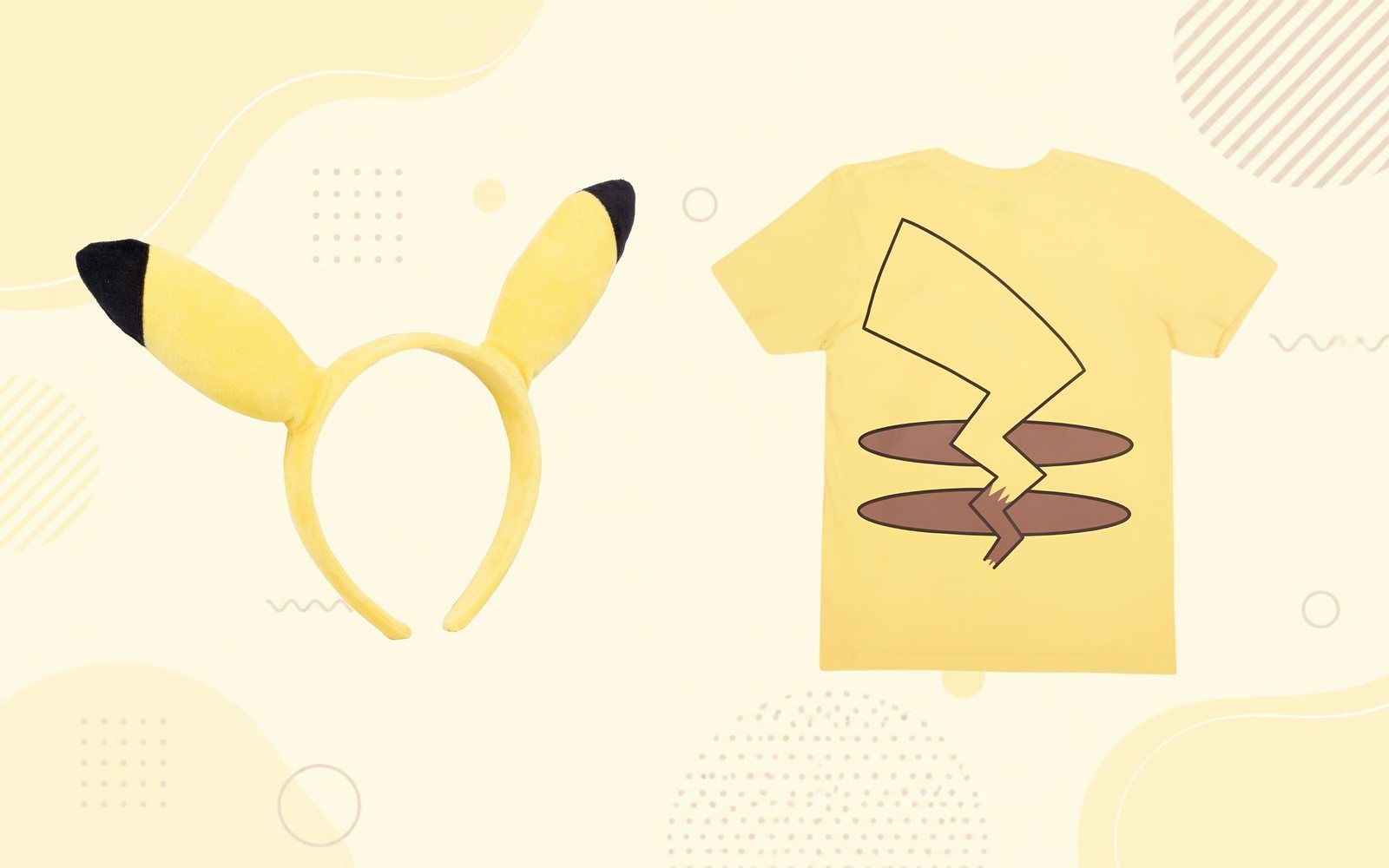
Retail doors alone don't prove a licensed launch worked. The rollout's e-commerce channels, Shopee, Lazada, and Tiki, lifted 35% in the first three months, the same window the physical doors were opening. That simultaneous lift, in-store and online moving together instead of one lagging the other, confirmed the timing bet had paid off.
What this proves.
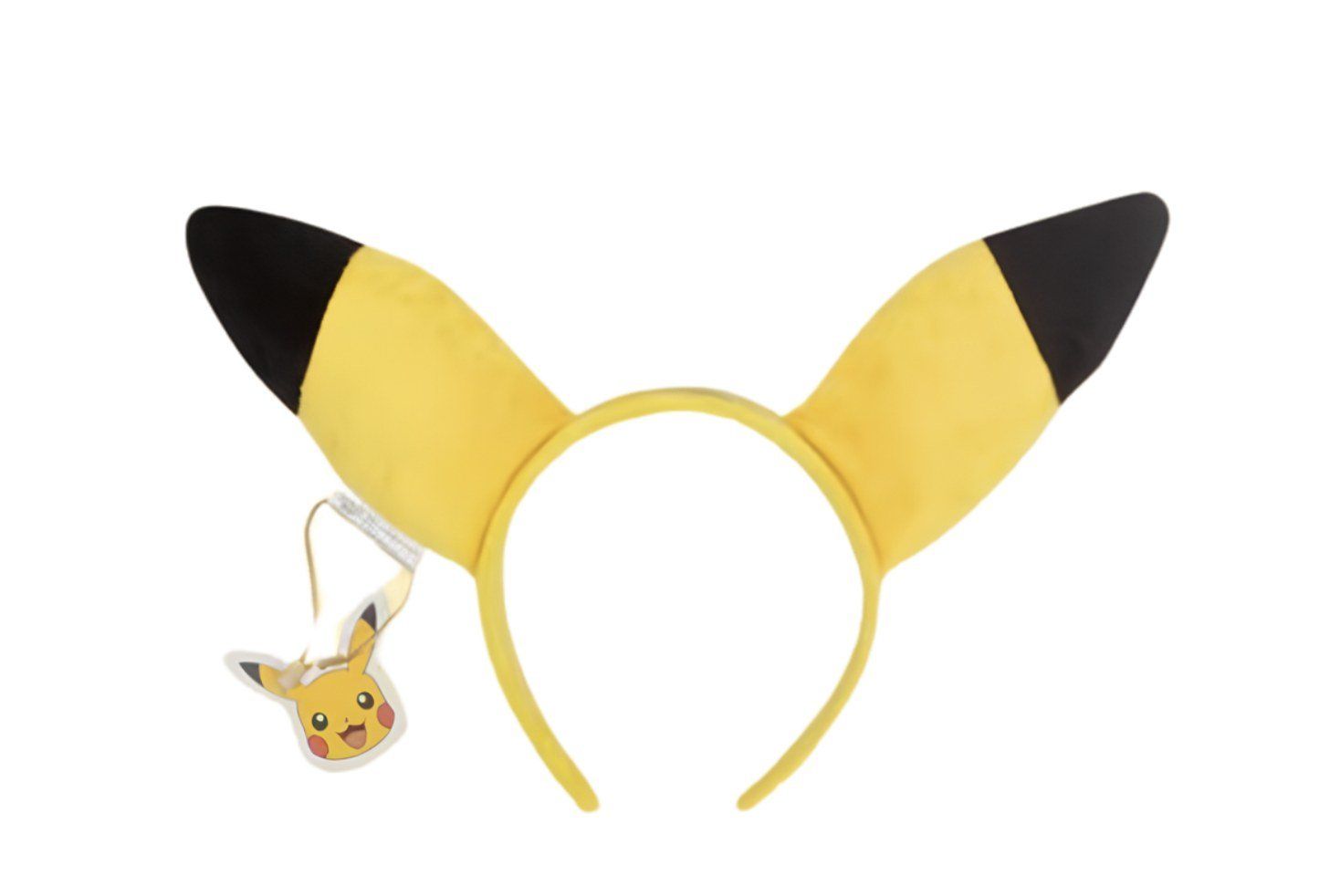
- A licensed launch tied to a cultural moment gets one shot at its timing. The retail calendar has to match the IP's own calendar.
- Retail doors and e-commerce channels need to scale together, or the rollout loses part of the lift.
- Even at 230+ doors across multiple e-commerce platforms, one managed partner network ran the whole rollout instead of a patchwork of per-channel vendors.
If your own program has one shot at a cultural launch window, explore our licensed plush toy manufacturing services or reach out to request an OEM plush toy sample before the production calendar is set.
Looking to engineer custom mascot plushies or exclusive IP merchandise for your brand? Explore Takara's Corporate Gifts & Merchandise Manufacturing solutions.