Custom Teddy Bear Manufacturing in Vietnam: Prices, MOQ & Process 2026
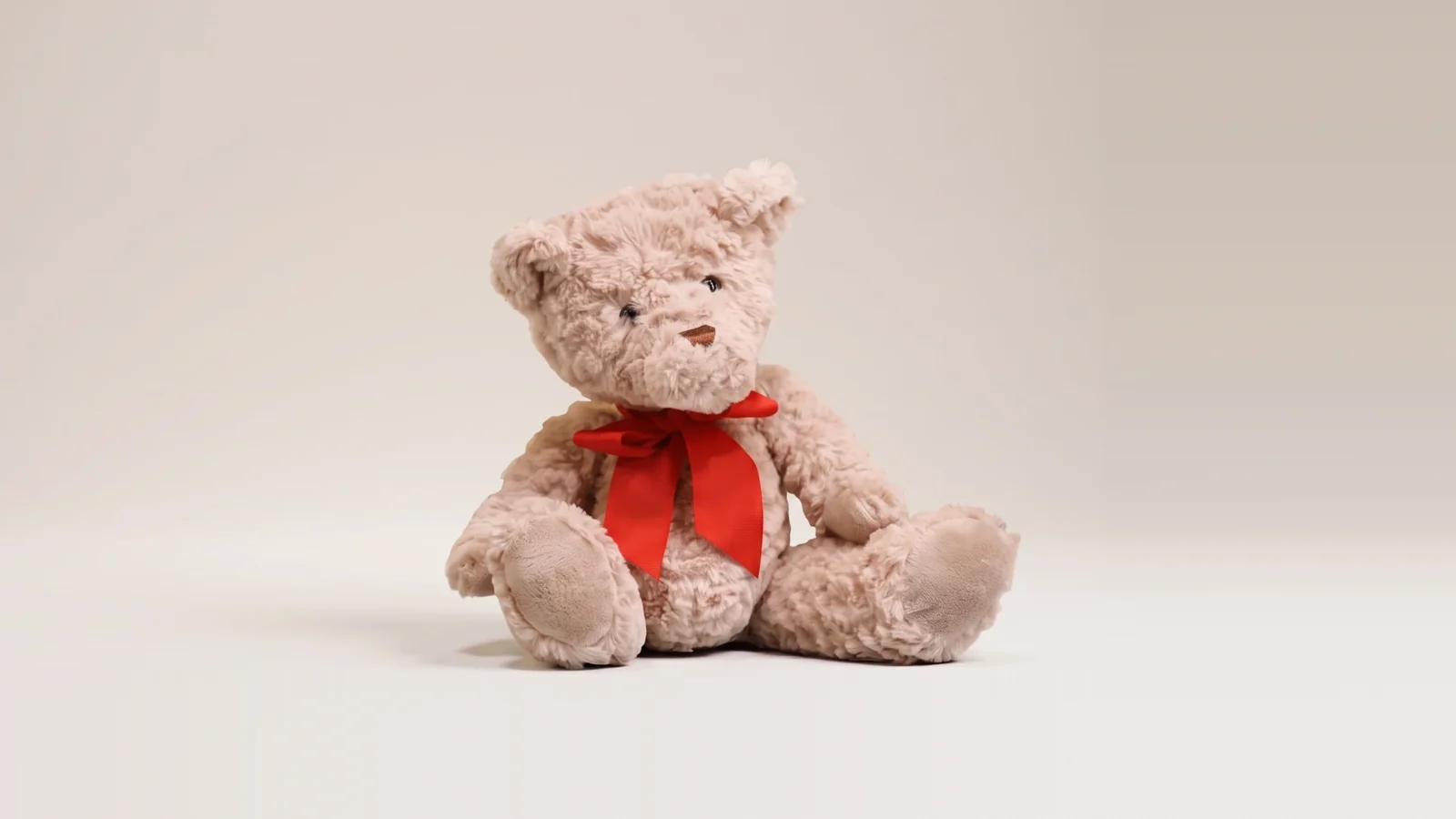
Custom teddy bear manufacturing means designing and producing a bear in your own shape, colours and branding instead of buying a stock design. Through Takara, custom bears for export start at 1,000 pieces per design, with indicative prices of US$2.45–14.40 per piece, a sample in 7–10 working days and production from 30 days after the sample is approved.
The 60-second summary
- Minimum order (MOQ): 1,000 pieces per design for export to any market; 500 per design for delivery within Vietnam.
- Indicative price: US$2.45–14.40 per piece, depending on size, number of pattern pieces and embroidery.
- Volume pricing: about 15–20% less per piece from 1,000 pieces and 30–40% less from 3,000, compared with a 500-piece run.
- Sample: 7–10 working days, US$100–300 per design, including up to 3 revision rounds.
- Timeline: about 55 days from brief to delivery, before freight. For delivery before Lunar New Year 2027, approve the sample in November.
- Compliance: tested to the standard of the market where the bears are sold (for example EN71 in the EU, ASTM F963 in the US), by accredited labs.
1. Who orders custom teddy bears
Custom bears are no longer only for toy brands. Four groups of buyers order them most often:
Group 01
Brands and retailersLifestyle, fashion and toy brands that sell their own plush line in stores and online, and want a design no competitor can buy.
Group 02
Licensors and IP ownersGame studios, animation studios and artists turning a character into official merchandise, where proportions and colours must match the style guide.
Group 03
Corporate gifts and eventsCompanies giving a branded bear to employees, clients and partners at year-end, anniversaries, conferences and product launches.
Group 04
PromotionsGift-with-purchase programs, campaign prizes and event giveaways, where a cute, consistent bear carries the brand.
2. Custom teddy bear prices in 2026
The ranges below come from Takara's pricing guide, at the minimum quantity of each product type. They are indicative export prices in USD; the final quote depends on the specification, the quantity and the testing your market requires.
| Product | Minimum order | Indicative price per piece | One-time cost |
|---|---|---|---|
| Custom teddy bear or plush | 1,000 per design (export) | US$2.45–14.40 | Sample fee US$100–300 per design |
| Character pillow (printed or embroidered) | 1,000 per design (export) | US$2.85–6.85 | No mold needed |
| Catalogue bear with your branding | 500 per order, designs can be mixed | US$3.45–47.85 | No new pattern needed |
| Plush blind box with molded parts | 3,000 per design | US$4.55–7.45 | Steel mold about US$5,000 per molded part |
Indicative export prices in USD. Final quotes depend on specification, quantity and the testing your destination market requires.
Larger runs cost less per piece
Pattern making, cutting dies and embroidery setup are fixed costs. The more pieces share them, the lower the price of each bear:
Source: Takara plush orders. Pattern and setup costs are spread over more pieces as quantity grows.
Besides the price per piece, budget for the sample fee of US$100–300 per design (up to 3 revision rounds included) and, if you need them, design and 3D work, quoted per project. Takara sends an itemized quote within 3 business days. Freight, duties and testing for your market are listed separately.
A worked example, not a quote: 1,000 bears of one design at an assumed US$5.00 per piece is US$5,000 for production, plus a US$100–300 sample fee. At 3,000 pieces the price per piece would typically drop by a further share, as fixed costs spread over more units.
What makes a bear cheap or expensive
Factor 01
SizeA bigger bear uses more fur fabric and filling and takes more carton space in shipping. Common heights are 15, 20, 30 and 45 cm.
Factor 02
Number of pattern piecesEvery separate piece of fabric is another seam sewn by hand. Fewer pieces means a lower price, faster sewing and a more consistent bulk run.
Factor 03
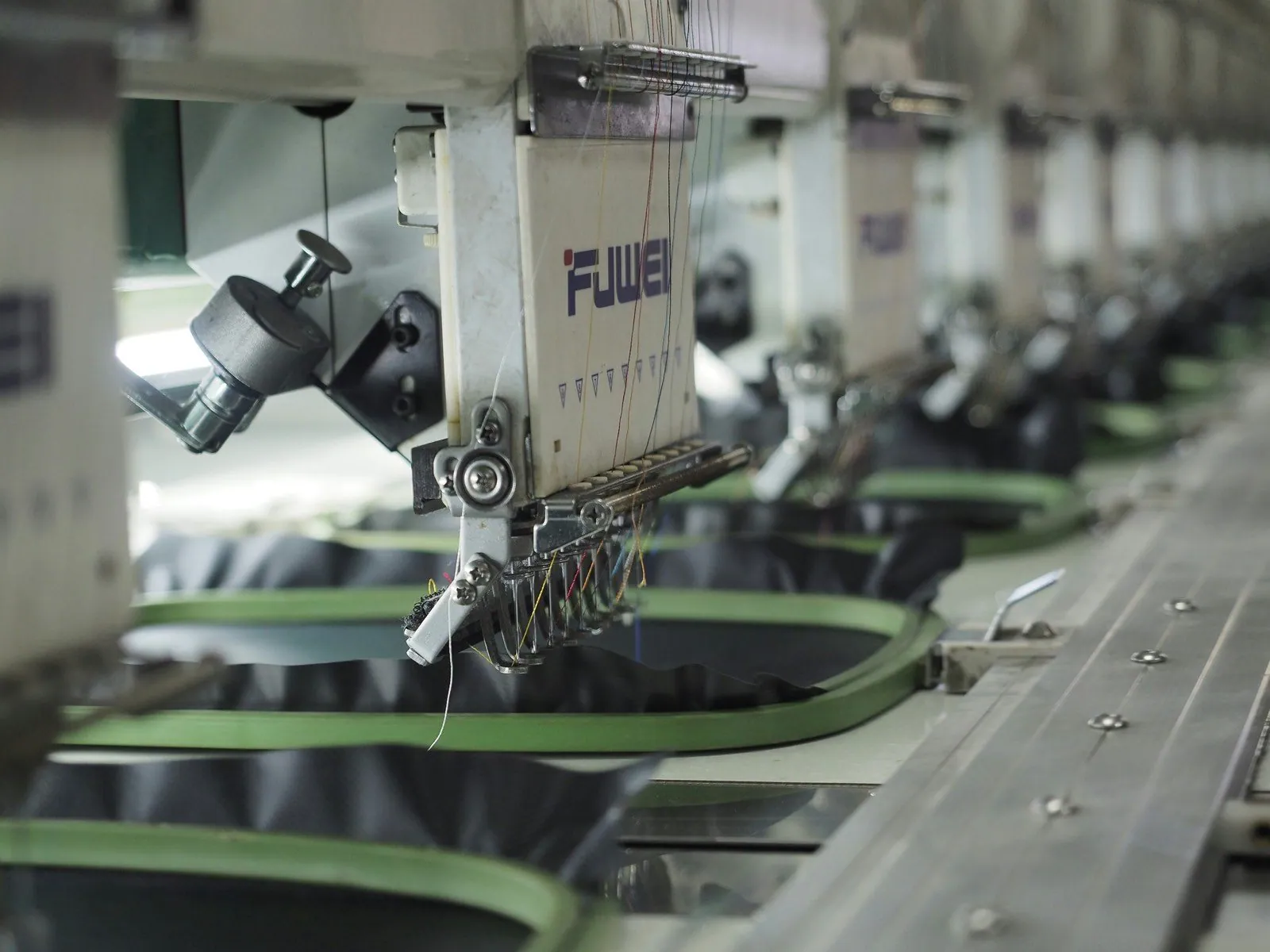
Face and embroideryEach embroidery position, the stitch density and accessories such as T-shirts, scarves, bows or hats add sewing time.
Factor 04
Fabric and colourFabric available in Vietnam is the fastest and most economical choice. Dyeing fur to an exact Pantone reference is possible from 3,000 pieces.
3. Minimum order quantity
A custom bear needs its own pattern, sample and fabric, so the minimum is counted per design:
Level 01 · Export
1,000 pieces per designFor bears shipped to any market outside Vietnam, because testing to the destination market's standard is a fixed cost for each design.
Level 02 · Delivery in Vietnam
500 pieces per designFor companies in Vietnam, including foreign-invested companies, that give bears as gifts or sell them locally.
Level 03 · Catalogue designs
500 pieces per order, mixedChoose stock designs from Takara's catalogue, mix several in one order and add your own branding.
Level 04 · Custom Pantone fur
From 3,000 pieces per designThe minimum a fabric mill needs to dye fur to your exact brand colour.
Minimums for every product type are in the MOQ guide 2026.
4. The production process: 5 steps, about 55 days
Takara runs every plush order in five stages: Brief, Sample, Production, QC and Delivery. Sending a brief and receiving a quote is free. A typical teddy bear order runs like this:
- Days 1–5Pattern and embroidery files
The 2D artwork becomes a cutting pattern that allows for fur stretch and filling, and the eyes, smile and logo are digitized for embroidery.
- Days 6–14Sample (R1) and revisions
The partner factory sews a sample in the planned materials and sends it to you to check the fabric, softness and shape. The sample fee covers up to 3 revision rounds.
- Days 15–42Cutting, embroidery and sewing
After sample approval and deposit, fabric is cut in bulk, faces and logos are embroidered on multi-head machines, and each bear is sewn and filled to a set weight.
- Days 43–48Safety checks and packing
Every bear passes an automatic needle detector, attached parts are pull-tested, and the bears are labelled, tagged and bagged.
- Days 49–55Lot inspection and handover
Takara QC, or a third-party inspector you appoint, checks a random sample to AQL 2.5 major / 4.0 minor before the cartons are released.
Bulk production starts once the sample is signed off and the deposit is received; the balance is paid before handover, as set in the contract. Sea or air freight to your market is planned with you and adds transit time. Every design change after sample approval moves the schedule.
5. Ordering for Q4 and Lunar New Year: why to start early
The last months of the year are peak season for plush. Holiday retail stock, year-end corporate gifts and Lunar New Year orders arrive at the same time, so factories fill up early, quotes and samples take longer than usual, and stock fabric colours run out.
Strategy 01
Count back from the date you need the goodsAllow about 55 days from brief to handover, then add freight time to your market and a 10–14 day buffer.
Strategy 02
Approve the sample in one roundIn peak season each revision round takes longer. A clear brief with front, back and side views helps the first sample land.
Strategy 03
Use fabric available in VietnamImported fur needs extra time to order and ship before cutting can start, which is the most common source of delays near the holidays.
Strategy 04
Agree packing and carton labels earlyCarton markings and per-carton labels make receiving and distribution easier for your warehouse or forwarder.
6. Tips for a bear that looks right, costs right and arrives on time
- AI images are often "too good to produce"
Many buyers now send bears generated with AI tools. Those images learn from big brands making millions of units, with custom-dyed colours and complex material mixes. A real sample interprets the design in real materials: fur softens lines and filling rounds corners. The simpler the bear (fewer pattern pieces, a simple pose, a clean embroidered face), the easier it is to produce consistently, and often the cuter it looks. See the design-for-manufacturing guide.
- The minimum is per design, not per order
Two different bears need the minimum for each design. If you want many designs in small quantities, choose catalogue bears: 500 pieces per order with designs mixed. Because price drops at 1,000 and 3,000 pieces, combining a year's needs into one order usually beats splitting it.
- Imported fur looks great but needs extra time
Some furs (long pile, curly, unusual colours) are imported, so they add ordering and shipping time before cutting starts. If the date is tight, choose fabric available in Vietnam, such as crystal velboa, minky or sherpa, in a stock colour.
- Embroidered faces are the most durable and safest
Embroidered eyes, nose and mouth have no small parts to come loose, which suits bears for families with young children. Plastic safety eyes are fixed with a locking washer and pull-tested before shipment.
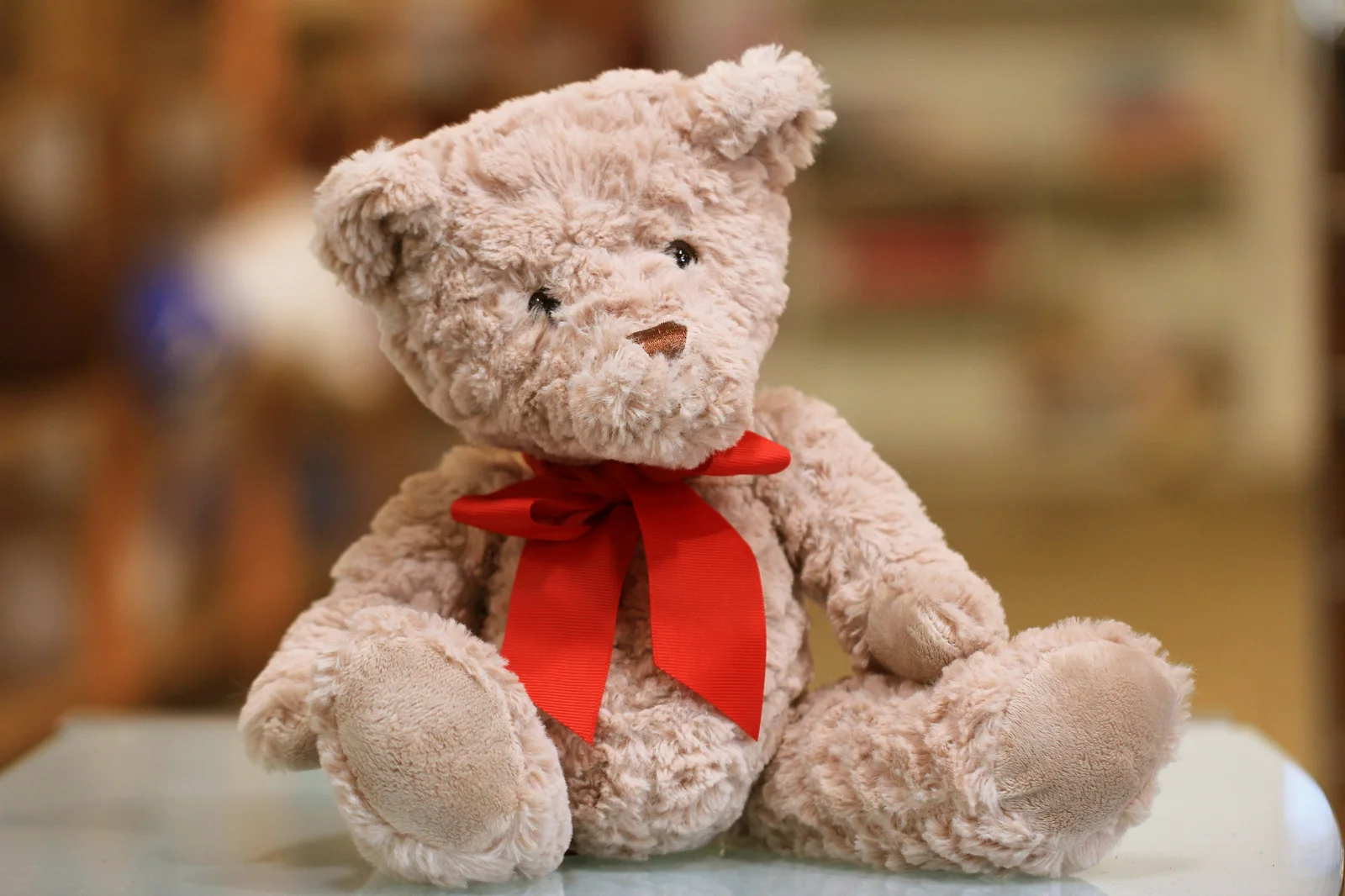
7. Materials, colours and branding
01 · Outer fabric
Crystal velboa and minkyShort, dense pile that feels smooth and does not shed. Curly fur and sherpa give a classic, premium look.
02 · Filling
100% virgin polyester fibreSpringy fibre that keeps its shape. Firm filling makes a bear that sits upright; softer filling gives a floppy, huggable bear.
03 · Face
Embroidery or safety eyesEmbroidered features are the most durable choice for young children. Plastic eyes use locking washers.
04 · Branding
Embroidery, labels and tagsLogo embroidered on the bear, printed on a T-shirt, on a woven side label, a hang tag or gift box.
If you like very soft, floppy bears with minimal faces, see Jellycat-style plush. For the difference between plush, plushie and stuffed toy, read plushie vs plush toy.
8. Safety standards and paperwork
Point 01 · Name the market at inquiry
Requirements decide the factoryThe standards, audits and test reports you need decide which partner factories are eligible, the testing scope, the cost and the schedule. Requirements added after production starts can mean re-sampling or extra testing.
Point 02 · Standards differ by market
Test for every destinationThe EU uses EN71, the US uses ASTM F963 and CPSIA, and retailers and licensors often add their own rules. A bear that passes in one market is not automatically compliant in another, so declare all markets upfront.
Point 03 · Audit programs need volume
FAMA, BSCI, SMETA for larger runsThese programs are held by a limited number of qualified partner factories and are practical for relatively large orders. For smaller runs, Takara recommends product-safety testing to your market's standard.
Point 04 · Gifts in Vietnam
A VAT invoice is enoughBears given to staff, clients or at events in Vietnam, and not sold, need only a full VAT invoice. Bears sold at retail in Vietnam need QCVN 3 certification and the CR mark.
Testing is carried out by accredited labs, and certifications belong to the partner factories, not to Takara. Market-by-market requirements are in the toy safety compliance matrix.
9. What to put in your brief
Item 01
ArtworkFront, back and side views of the character, or photos of reference products, so the pattern maker gets the proportions right.
Item 02
HeightThe height sitting or standing, in cm (for example 15 cm keychain, 25 cm desk, 35 cm huggable).
Item 03
Fabric and feelShort soft pile, curly fur or flat cotton, plus Pantone references if you have them.
Item 04
Quantity and datePieces per design and the date the goods must reach your warehouse.
Item 05
Use and marketsGift, promotion or retail, and every country where the bears will be sold.
Item 06
BrandingVector logo (.AI or .PDF), woven label, hang tag and gift box requirements.
10. Why brands order teddy bears through Takara
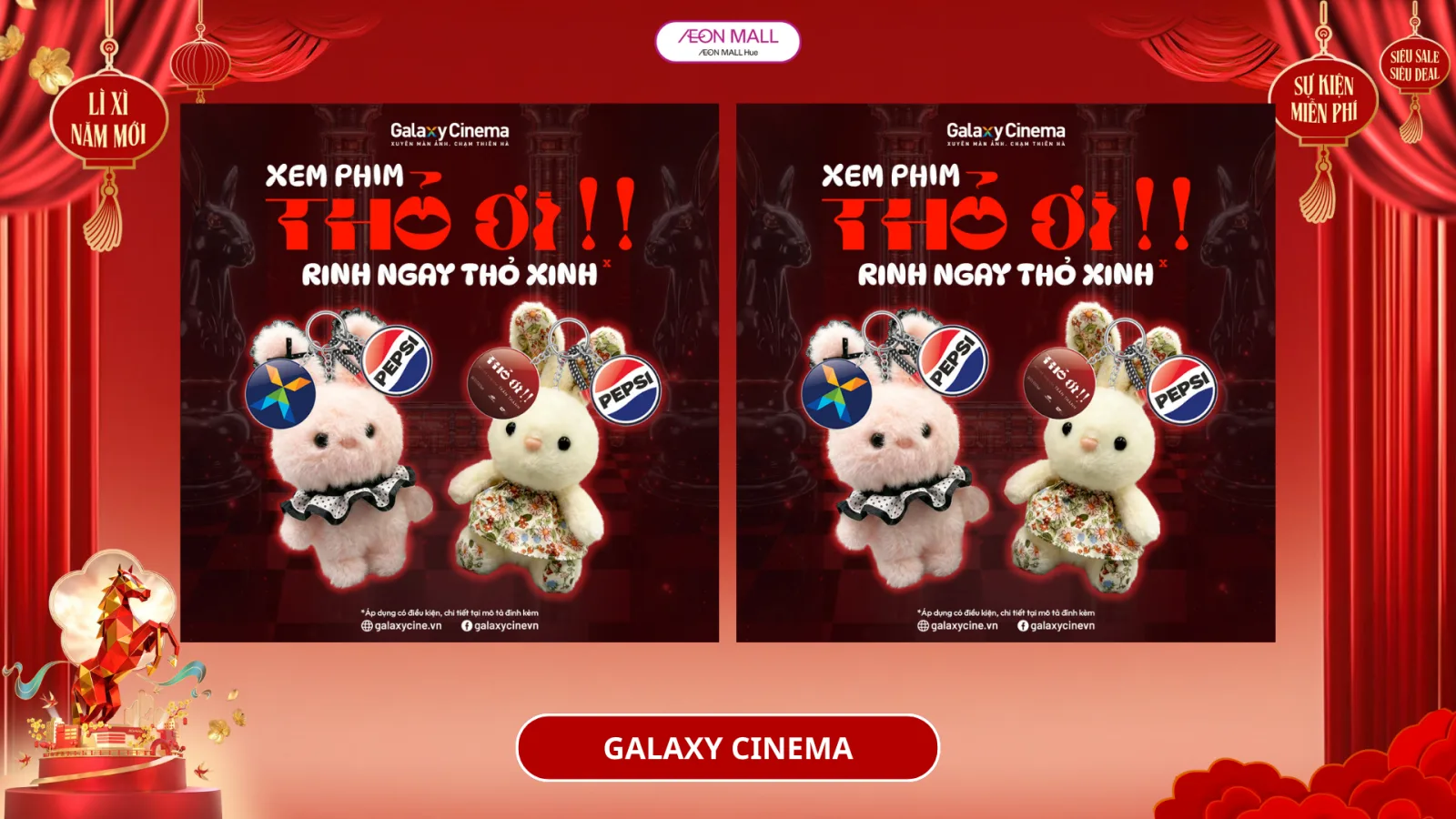
Takara started in 2013 in Ho Chi Minh City, has held the Pokémon license in Vietnam since 2016, and has produced for brands such as Rohto, Galaxy Cinema and Keppel Land, including 120,000 plush toys exported for US retailers Walmart and Target. Takara does not own factories: each order goes to a partner factory in Vietnam that Takara has vetted for quality, labour conditions and environmental practice, and Takara manages all five stages from brief to delivery. See finished work in the plush lookbook.
Strength 01
A vetted partner networkEach order is matched to the factory best suited to it: small bears, large stuffed bears or detailed embroidery.
Strength 02
A real sample firstYou hold the actual bear, fabric and embroidery before committing to bulk, with up to 3 revision rounds in the sample fee.
Strength 03
Independent QCTakara QC staff check production at the factory: needle detection on every piece and lot inspection to AQL 2.5.
Strength 04
Itemized quotesFabric, sewing, embroidery, packing and sampling are listed line by line, with no hidden costs.
11. Frequently asked questions
How much does a custom teddy bear cost?
Indicative export prices through Takara are US$2.45–14.40 per piece at the minimum quantity, depending on size, pattern pieces, embroidery and packaging. Freight, duties and testing for your market are quoted separately. You receive an itemized quote within 3 business days of sending a brief.
What is the minimum order for custom teddy bears?
1,000 pieces per design for export to any market, and 500 pieces per design for delivery within Vietnam. For smaller quantities across several designs, catalogue bears start at 500 pieces per order with designs mixed.
How long does a sample take, and what does it cost?
A sample takes 7–10 working days. The sample fee is US$100–300 per design depending on complexity and includes up to 3 revision rounds; further rounds are quoted separately. Design and 3D work are quoted per project.
How long from brief to delivery?
Production takes at least 30 days after sample approval and deposit. Including sampling, QC and handover, a teddy bear order usually takes about 55 days, plus freight time to your market.
Is it cheaper to order more?
Yes. Compared with a 500-piece run, the price per piece is typically 15–20% lower from 1,000 pieces and 30–40% lower from 3,000 pieces, because pattern, sample and setup costs are shared by more units.
When should I order bears for the holidays or Lunar New Year?
As early as possible. Q4 is peak season and factories in Vietnam close around Lunar New Year (6 February 2027). For goods that must ship before Tết, send the brief and approve the sample in November.
Can you match our Pantone colour?
Below 3,000 pieces, colours are chosen from stock fabric ranges, with your Pantone used as a reference. Dyeing fur to an exact Pantone colour is possible from 3,000 pieces per design.
Which safety standards will my bears meet?
The standards of the markets where they will be sold, for example EN71 for the EU and ASTM F963 and CPSIA for the US, tested by accredited labs. Declare every market at inquiry so the factory and testing scope cover all of them. Gifts given in Vietnam and not sold need only a VAT invoice.
Can you add our logo?
Yes. Logos can be embroidered on the bear, on its T-shirt or scarf, and printed on woven labels, hang tags and boxes. Custom bears carry your own woven label from the minimum order.
Does Takara own a teddy bear factory?
No. Takara does not own factories. Each order is placed with a partner factory in Vietnam that Takara has vetted, and Takara manages the brief, sample, production, QC and delivery.