How to Start a Plush Brand Like Jellycat: From First Design to First Production Run
Key takeaways
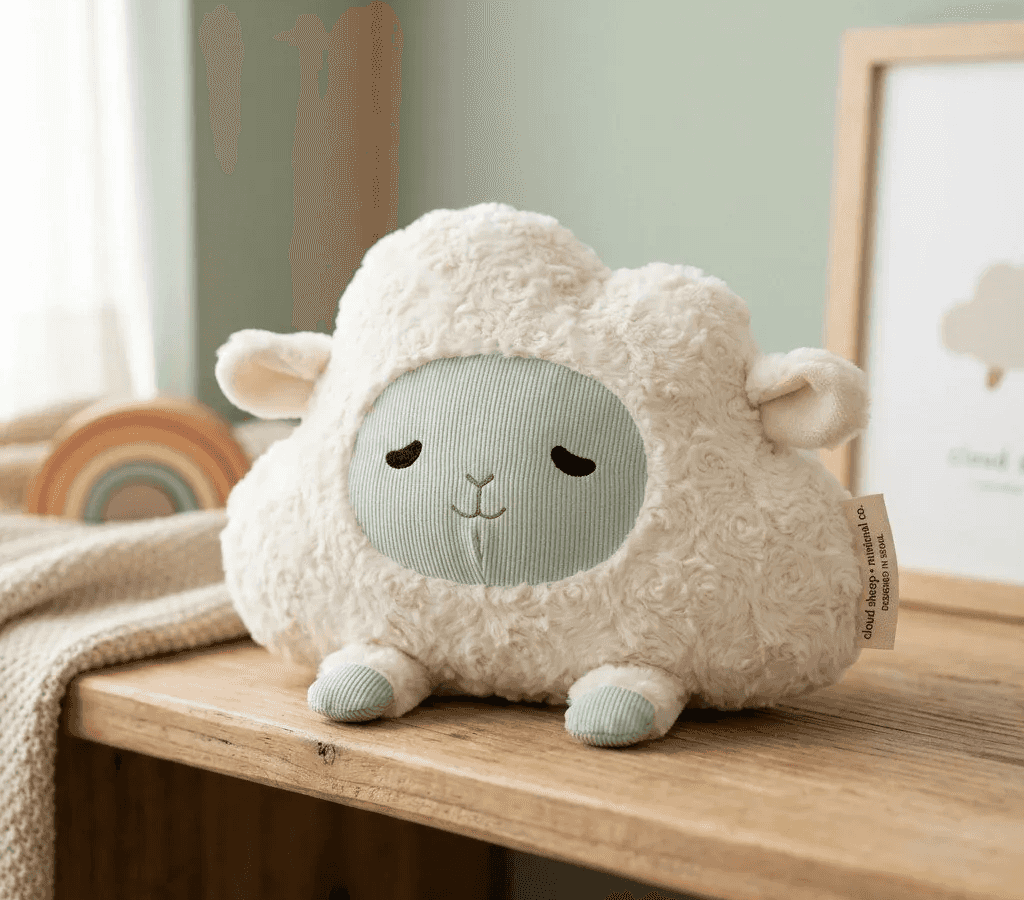
- The style is built, not bought: super-soft fabric, light filling, a quiet embroidered face and a calm palette are construction choices you can specify.
- Start narrow: each design carries its own sample, testing and minimum quantity, so a small, coherent first collection is easier to fund.
- Markets decide testing: declare every country and sales channel before sampling.
- Original only: a brand needs its own characters; copying an existing designer plush is not an option.
Designer plush brands such as Jellycat have shown that a soft toy can be a lifestyle product: bought by adults, given as a gift, displayed on a desk. Many founders now want to build their own plush brand in that spirit. This guide covers what it takes to go from first sketch to first production run.
Jellycat is a registered trademark of Jellycat Limited. Takara is not affiliated with Jellycat Limited; the name is used here only to describe a product style.
1. Define your style in construction terms
"Soft and cute" is not something a factory can quote. Translate the look you want into details a pattern maker can work with:
- Fabric: short-pile Crystal Velboa or 1.5 mm minky for a velvety feel; sherpa or bouclé for texture.
- Body: which parts flop (ears, limbs) and which hold their shape (head, body).
- Face: embroidered eyes and nose, as few lines as possible.
- Base: whether the plush needs a weighted pellet pouch to sit upright.
- Palette: a short list of colors that defines the brand across every design.
Takara's Jellycat-style plushie guide lists these six details with what to put in your brief for each.
2. Design a first collection you can fund
Every design is its own product: its own sample, its own testing, its own minimum quantity. A first collection of a few designs with a shared idea (one animal family, one food theme, one palette) is easier to finance, photograph and sell than a wide range. Successful designs can be extended later with new colors and sizes from the same pattern.
Keep each design simple: few pattern pieces, a sitting or standing pose, short limbs, one identifying detail. Simple plush is cheaper to make, more consistent from piece to piece, and usually more appealing. Takara's design for manufacturing guide goes into this in detail.
3. Know the numbers before you start
| Item | At Takara |
|---|---|
| Minimum order | 500 pcs per design for Vietnam; 1,000 pcs per design for export |
| Sample fee | US$100–300 per design depending on complexity, including up to 3 revision rounds |
| Design and 3D work | Quoted per project |
| Sample time | 7–10 working days after the fee is paid and artwork is final |
| Production | From 30 days after sample approval and deposit, plus shipping |
| Custom-dyed colors | From 3,000 pcs; below that, closest stock fabric |
| Own woven label | From 500 pcs per design |
4. Plan testing around where you will sell
Toy safety requirements are set by the destination market and often by each retailer, not by the factory's country. Typical examples: EN 71 for the EU, ASTM F963 and CPSIA at a CPSC-accepted lab for the US, QCVN 3 with the CR mark for retail in Vietnam. A product that passes in one market is not automatically compliant in another, so list every market at inquiry. Higher-tier factory programs such as amfori BSCI, Sedex SMETA or Disney FAMA are held by a limited number of facilities and suit larger runs; for a first collection, product-safety testing to your market's standard is usually the right level.
Tell your manufacturer early if the plush is meant for young children: embroidered faces and closed pellet pouches matter there.
5. Build the brand into the product
- Woven label: sewn into the seam, your brand on every piece.
- Hangtag: the character's name and story; for a lifestyle brand this does a lot of selling.
- Packaging: a gift box or bag if you sell to gift buyers.
- Merch beyond plush: tees, hoodies and totes with the character extend the brand; with Koko by Takara you stock your own blanks from 500 pieces and print each new design in runs from 100 pieces.
- Consistency: the same palette, label and tag across every design so the collection reads as one brand.
6. From sample to shelf
Takara runs plush programs in five stages: Brief, Sample, Production, QC and Delivery. Takara does not own factories; each order is placed with a partner factory in Vietnam vetted on quality, labor and environmental practice. Recent plush work includes 23,400 blind-box plush for Rohto Vietnam, delivered 25 days ahead of contract, and 120,000 plush dolls exported to the US for Walmart and Target through ThreeSixty Group.
Frequently asked questions
How many designs should a new plush brand launch with?
Enough to tell a story, few enough to fund properly. Every design carries its own sample fee, testing and minimum quantity, so a small, coherent first collection is easier to finance and to sell through than a wide one.
What is the minimum order per design?
At Takara, 500 pcs per design for Vietnam and 1,000 pcs per design for export, because testing costs are fixed per design.
Which safety tests does a plush brand need?
It depends on where you sell: for example EN 71 for the EU, ASTM F963 and CPSIA at a CPSC-accepted lab for the US, and QCVN 3 with the CR mark for retail in Vietnam. Declare every market at inquiry so testing covers all of them. Tests are run for partner factories by accredited labs.
Can I use my brand colors exactly?
For runs below 3,000 pcs, colors are picked from stock fabric ranges as close as possible to your Pantone references. Custom-dyed fabric starts from 3,000 pcs.
Can a manufacturer copy an existing designer plush for my brand?
Takara does not reproduce another brand's designs, characters, labels or packaging. Your collection must be original or licensed to you; Takara can help develop original designs from your brief.